
Blog
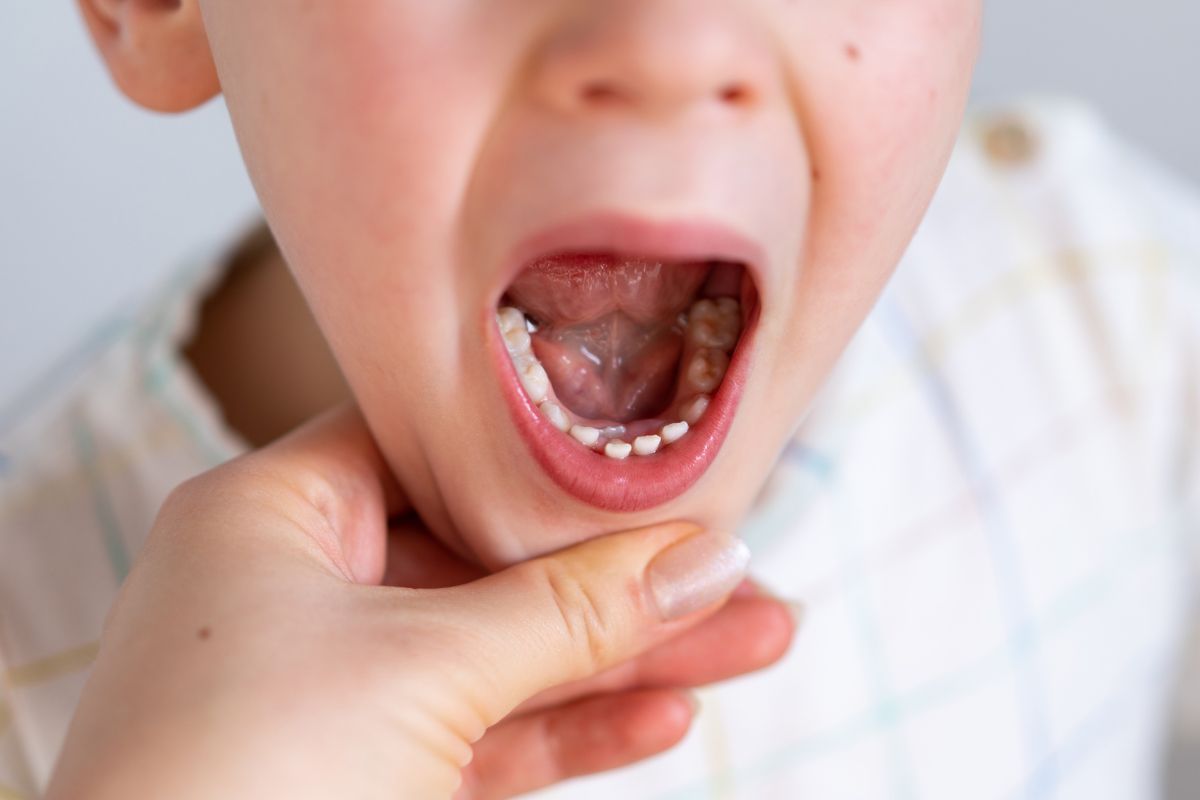
“Do dental fillings last forever?” No — even the most durable materials eventually wear down, loosen, or fail. In this article, you’ll learn the exact warning signs that your child’s dental filling may need attention, why ignoring symptoms can lead to bigger problems, and what parents can do to protect their child’s smile.
While fillings are designed to be long-lasting, time, chewing forces, and natural changes in the mouth can cause breakdown. A failing filling can lead to new decay, infection, pain, or the need for more extensive pediatric treatment. As a trusted children’s dental practice, Kidtastic Pediatric Dental & Orthodontics in Gilbert, AZ, we routinely evaluate everything from pediatric dental fillings to amalgam fillings, ensuring your child’s teeth stay healthy and strong. Here’s what to watch for.
How Long Do Fillings Typically Last
The lifespan of a filling depends on the material and your child’s oral habits:
Amalgam Fillings
Traditional amalgam fillings can last 10–15 years or more. Their strength makes them good for molars, but the amalgam filling material can still fracture over time due to constant chewing pressure. Poor oral hygiene or grinding also shortens the lifespan of any amalgam filling.
Composite Fillings
Tooth-colored composite fillings usually last 5–10 years. They are common in pediatric fillings because they blend naturally with teeth, but they are more sensitive to wear and moisture.
Porcelain or Ceramic Fillings
Durable and aesthetically pleasing, these can last 10–15 years but are less common in pediatric cavity filling treatments.
What Affects Longevity?
- Teeth grinding/clenching
- Sticky or hard foods
- Infrequent checkups
- A diet high in sugar or acids
- Inconsistent oral hygiene
Knowing when a filling was placed can help you decide whether filling replacement might be needed soon.
Key Signs Your Child’s Filling Might Be Failing
1. Increased Sensitivity
If your child suddenly reacts to hot, cold, or sweet foods, the seal around the filling may be breaking down. Tiny gaps allow temperature changes to reach the inner tooth. Persistent sensitivity warrants an exam to determine if cavity filling replacement is needed.
2. Pain When Chewing or Biting
A sharp or aching pain when biting indicates pressure on dentin or even the pulp. This can happen if a filling cracks or loosens. This is one of the clearest signs that replacing a filling may be necessary before decay spreads.
3. Visible Cracks, Chips, or Rough Edges
If you notice a chipped filling, a crack line, or a rough texture with your fingernail, the structure may be compromised. These tiny fractures allow bacteria to slip underneath, increasing the risk of decay and making filling replacement more urgent.
4. Discoloration Around the Filling
Dark edges or stains around the treated tooth can indicate leakage or decay beneath the filling. This is especially important to monitor in older pediatric dental fillings and amalgam filling material, which can stain as they age.
5. Food Traps or Floss Snagging
If floss consistently catches on one tooth or food constantly gets stuck between teeth, the filling margin may have changed shape. This is commonly seen in worn pediatric fillings and is often the first sign parents notice before replacing a filling becomes necessary.
6. Filling Is Loose, Clicking, or Has Fallen Out
A loose filling may produce a clicking sound when your child chews. If it completely falls out, the tooth is suddenly exposed to bacteria, temperature, and pressure. Acting quickly prevents deeper decay and reduces the chance of a root canal.
7. Bad Taste, Odor, or Bad Breath
A persistent unpleasant taste or odor can indicate bacteria trapped under a failing restoration. This may mean that cavity filling replacement is required to remove decayed areas and reseal the tooth.
Why Prompt Replacement Matters
Ignoring the signs of a failing filling leads to:
- Worsening decay
- Infection
- Tooth fracture
- Higher treatment costs
- Potential need for crowns or root canals
Early intervention helps preserve healthy enamel and keeps your child’s smile pain-free. Parents often ask, “Can a tooth filling be replaced?” Absolutely — in fact, can a tooth filling be replaced safely and effectively in children? Yes, and doing so early prevents complications.
What to Expect During a Filling Replacement
When your child needs cavity filling replacement, the process is simple and kid-friendly:
- Examination & X-Ray – To check the existing filling and rule out deeper issues.
- Gentle Anesthesia – To ensure comfort throughout treatment.
- Removal of Old Filling – The dentist removes weakened or decayed material.
- Cleaning & Preparation – The tooth is disinfected and shaped for the new restoration.
- New Filling Placement – Composite or appropriate pediatric cavity filling material is applied and cured.
- Polishing & Bite Check – Ensures smoothness, comfort, and proper alignment.
Aftercare includes avoiding sticky foods for a day and maintaining excellent brushing and flossing.
Preventing Future Filling Failures
Parents can help extend the life of their child’s fillings by:
- Brushing twice daily with fluoride toothpaste
- Daily flossing
- Routine dental visits every 6 months
- Managing teeth grinding with a night-guard if recommended
- Reducing sticky candies and hard snacks
- Encouraging water over sugary drinks
Good habits significantly reduce the need for future filling replacement or replacing a filling prematurely.
When to See a Dentist
If you notice any of the warning signs above — sensitivity, cracks, pain, floss snagging, discoloration, or a loose filling — don’t wait. Early care prevents major dental issues and protects your child’s long-term oral health.
Conclusion
Dental fillings are durable but not permanent. By watching for early warning signs and acting quickly, you can protect your child’s smile and prevent more complex dental work later. If you’re concerned about amalgam filling material, damaged pediatric fillings, or wondering whether a tooth filling can be replaced safely, our team is here to help.
For compassionate, expert pediatric care, contact Kidtastic Pediatric Dental & Orthodontics in Gilbert, AZ, today to schedule an appointment. Early action keeps your child’s teeth healthy, strong, and cavity-free.
FAQs
Q. How do you know when a filling needs to be replaced?
A: A filling likely needs replacement if your child has pain when biting, sensitivity, food getting stuck, discoloration, a cracked or loose filling, or a bad taste/odor. These signs suggest the filling is damaged or leaking and should be evaluated by a dentist.
Q. What does a filling look like when it needs to be replaced?
A: You may also see visible changes, such as discoloration around the filling or dark brown or black spots on the tooth. These signs often indicate a worn filling or new decay and should be checked by a dentist.
Q. How to tell if a filling is failing?
A: Symptoms of a bad filling include hot or cold sensitivity, pain when biting, a rough or uneven surface, cracks or chips, gaps or discoloration, a bad taste or odor, and floss shredding around the area. If you notice any of these, it’s time to see a dentist for an evaluation.