Blog
Despite huge technological advances in modern dentistry, childhood tooth decay still remains one of the biggest epidemics among children in the U.S. In efforts to curb cavities, dentists now use dental sealants to help fight the epidemic. Here’s a deeper look at this method of cavity prevention.
Dental sealants are clear coatings placed on the chewing surfaces of the back teeth to help protect them from decay. The molars and premolars have grooves that make them very vulnerable to decay. The grooves can be deep and difficult to clean, making them a prime spot for plaque to accumulate, especially since these are the teeth used to chew food. Once the plaque has started to accumulate, the acid produced by the bacteria in the plaque can attack the enamel and wear away the molars and premolars within the grooves. Once the dental sealants are in place, they provide protection to the grooved areas and provide a smooth covering over the groove.
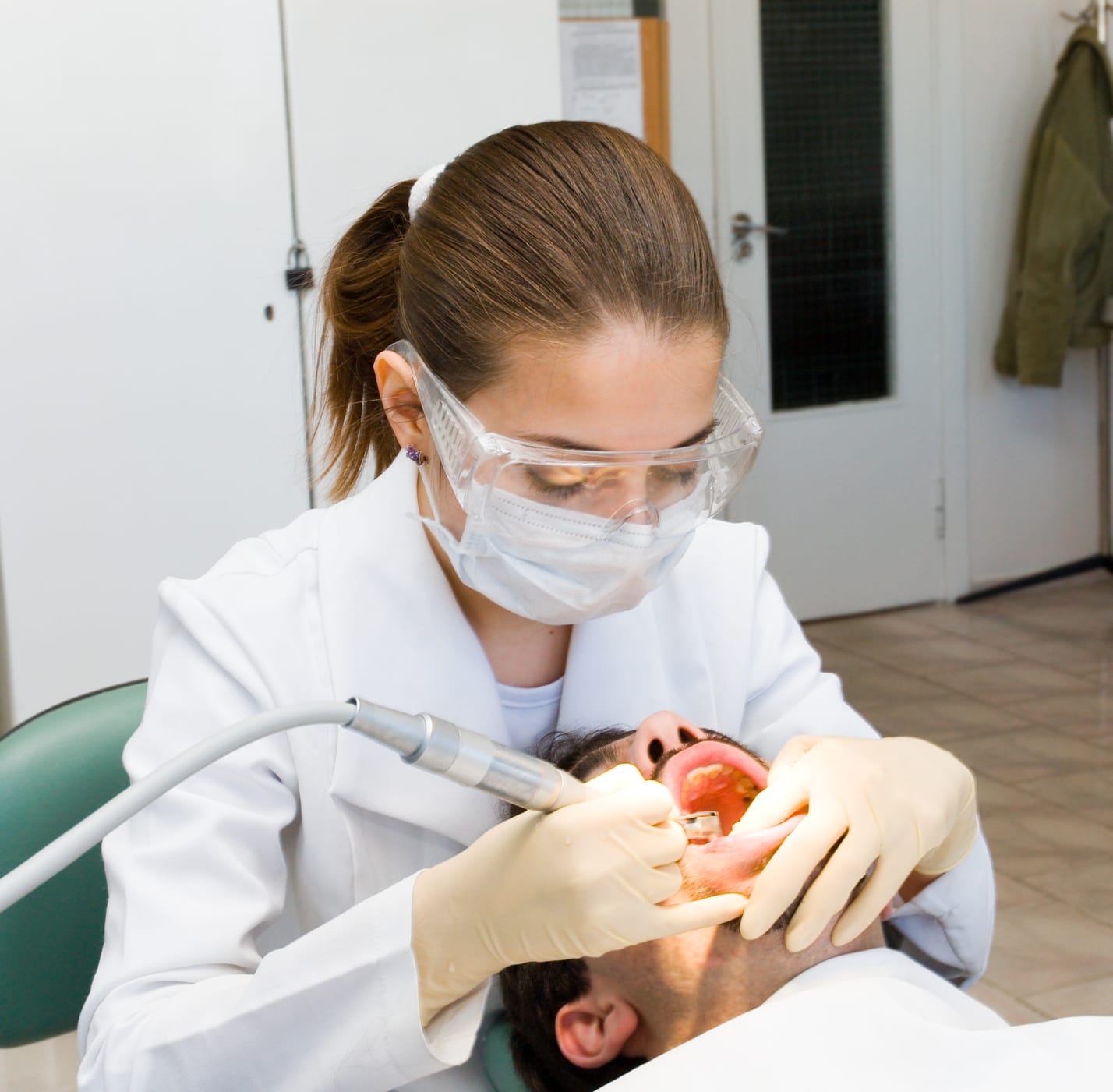
Most of the time, dentists place dental sealants as soon as the permanent molars have erupted from the gumline. Molars continue to erupt in children until about the age of twelve with the exception of wisdom teeth, which come much later. Having sealants placed on the molars is both effective and painless. As long as the sealants remain intact, they are 100% effective in reducing tooth decay and even as an adult, you can benefit by having dental sealants placed. Here’s what happens when you come in for dental sealants:
- The tooth is cleaned and prepared for the sealant.
- This “etching” material is placed on the tooth for 10-15 sec. and rinsed away. This kills bacteria and makes the surface slightly rough to help the sealant adhere better.
- The sealant material is set in place and hardened with a curing light.
- The dentist checks the sealant to make sure you can eat normally.
With proper care, the sealants can last several years. When you come in for a checkup, the dentist can give your molars and premolars a full exam and determine if dental sealants are the best option for you.