Blog
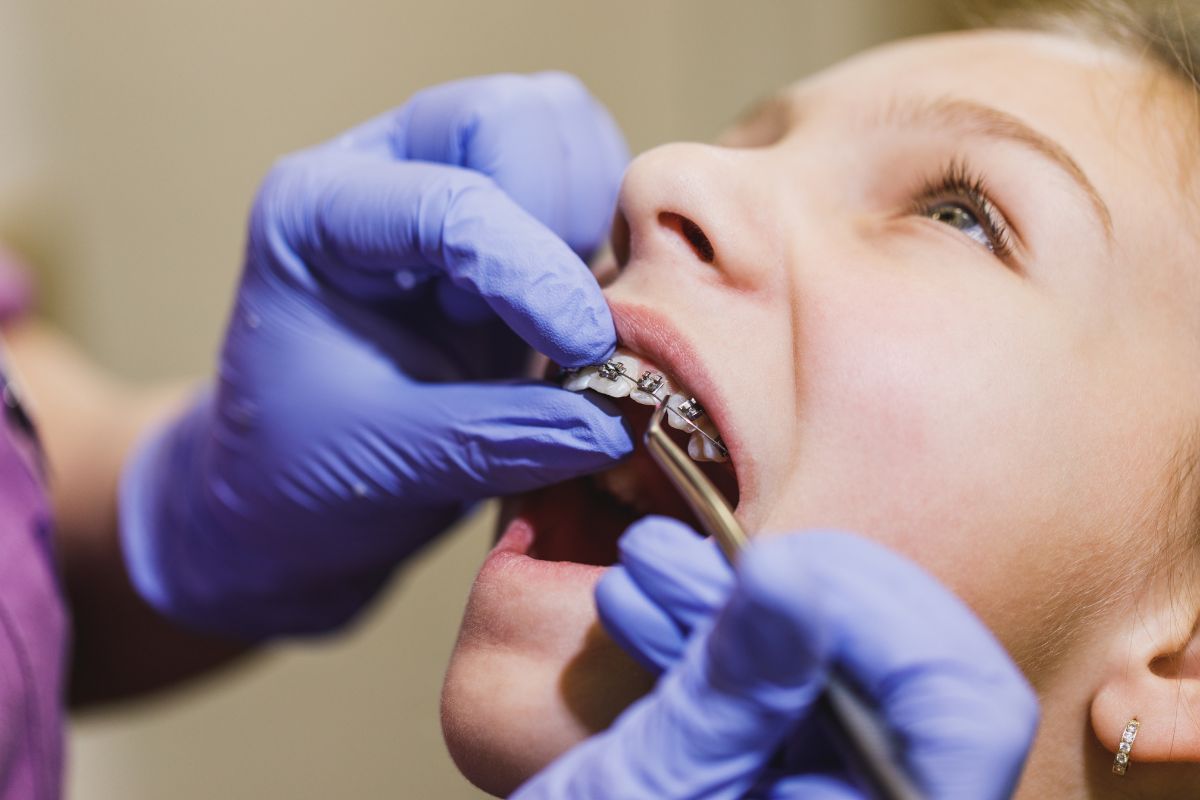
When most parents think about orthodontics, they picture a teenager getting braces right before high school photos. But waiting until the teenage years to think about your child’s bite, jaw alignment, and tooth positioning can mean missing a critical window of opportunity. Preventative orthodontics — catching and addressing issues early — is one of the smartest investments you can make in your child’s long-term oral health, and it can save your family significant time, money, and stress down the road.
If you’re searching for a trusted pediatric dentist in Gilbert or exploring options for Orthodontics, understanding why early screening matters is the first step toward making informed decisions for your child’s smile.
What Is Preventative Orthodontics?
Preventative orthodontics, sometimes called interceptive orthodontics, refers to early evaluation and treatment of a child’s teeth and jaw development, typically starting around age 7. This doesn’t necessarily mean your child will get braces at seven years old. Instead, it means a qualified orthodontist or dentist examines how the teeth, jaw, and bite are developing while your child still has a mix of baby and permanent teeth.
At this stage, a child’s jaw is still growing and far more responsive to gentle guidance than it will be once growth plates fully develop. Early screening allows orthodontists to identify problems while there’s still room to correct them without invasive procedures later.
Why Age 7 Is the Magic Number
The American Association of Orthodontists recommends that every child have an orthodontic evaluation by age 7. Why this specific age? By this point, a child typically has enough permanent teeth erupted to reveal how their bite is developing, while the jawbone is still malleable enough to respond well to early intervention.
At this age, an experienced provider offering Orthodontics in Gilbert can spot warning signs such as:
- Overcrowding or insufficient space for incoming permanent teeth
- Crossbites, overbites, or underbites
- Early or late loss of baby teeth
- Thumb-sucking or tongue-thrusting habits affecting jaw development
- Difficulty chewing or speech issues related to jaw alignment
- Protruding teeth that increase the risk of injury
Catching these issues early doesn’t always mean immediate treatment. Sometimes it simply means monitoring development over time. But when intervention is needed, doing it early can prevent much bigger problems later.
The Financial Case for Early Screening
One of the most compelling reasons to prioritize preventative orthodontics is the financial benefit. Orthodontic treatment isn’t cheap, and the longer a problem goes unaddressed, the more complex — and expensive — the eventual treatment tends to become.
Here’s how early screening translates into savings:
Shorter treatment times later. When jaw and bite issues are corrected early, many children need less extensive treatment as teenagers. Phase one treatment might involve a simple expander or space maintainer, while waiting until the teen years could mean a longer, more complicated course of braces.
Fewer extractions. Overcrowding caught early can often be managed by guiding jaw growth and creating space, reducing the likelihood that permanent teeth will need to be extracted later to make room.
Reduced risk of surgery. Severe bite misalignments that go untreated into adulthood sometimes require jaw surgery to correct — a far more invasive and costly procedure than early interceptive treatment.
Fewer dental complications. Misaligned teeth are harder to clean properly, which increases the risk of cavities, gum disease, and enamel wear. Addressing alignment early can reduce the number of restorative dental visits your child needs over their lifetime.
When you add up the potential costs of extended orthodontic treatment, additional dental work, and possible surgical intervention, the value of an early screening becomes clear. A quick evaluation with a pediatric dentist in Gilbert who understands pediatric dental development can help you avoid these larger expenses altogether.
Beyond the Dollars: Health and Confidence Benefits
While the financial savings are significant, preventative orthodontics offers benefits that go well beyond the budget.
Improved oral health. Properly aligned teeth are easier to brush and floss effectively, reducing the risk of cavities and gum disease throughout childhood and adulthood.
Better jaw function. Early correction of bite issues can improve chewing efficiency and reduce strain on the jaw joint, potentially lowering the risk of TMJ disorders later in life.
Enhanced speech development. Certain bite and jaw irregularities can contribute to speech difficulties. Addressing these early can support clearer communication as your child grows.
Boosted self-esteem. Children are often acutely aware of how their smile looks compared to their peers. Early intervention can prevent more severe misalignments from developing, helping children feel more confident as they enter their teenage years.
Room to grow — literally. Interceptive treatment can guide jaw growth in the right direction, creating adequate space for permanent teeth and reducing the likelihood of a crowded, uneven smile later.
What Happens During an Early Orthodontic Screening?
If you’re considering scheduling a screening, it helps to know what to expect. A typical evaluation with a provider specializing in Orthodontics in Gilbert usually includes:
- A visual examination of your child’s teeth, gums, and bite
- Digital X-rays to assess how permanent teeth are developing beneath the gum line
- An assessment of jaw growth and alignment
- A discussion of any habits, like thumb-sucking, that could affect development
- A personalized recommendation — whether that’s “wait and monitor” or a specific early treatment plan
Most screenings are quick, non-invasive, and far less stressful for kids than many parents expect. It’s simply a conversation and a look at how things are progressing.
Finding the Right Partner for Your Child’s Smile
Not every child needs early orthodontic treatment, but every child benefits from an early evaluation. The key is partnering with a dental team that has the experience to tell the difference — one that won’t rush you into unnecessary treatment but also won’t let a correctable issue go unnoticed until it becomes a bigger, costlier problem.
If you’re a parent in the East Valley researching a pediatric dentist in Gilbert for your family’s routine care, ask whether they offer orthodontic screenings as part of your child’s regular checkups, or whether they can refer you to a trusted specialist in Orthodontics in Gilbert for a more detailed evaluation. Building this relationship early means your child’s dental team will have a full picture of their growth and development over time, making future decisions easier and more informed.
Preventative orthodontics isn’t about rushing your child into braces before they’re ready. It’s about giving your family the information and options you need at the right time — when treatment, if necessary, is simpler, faster, and more affordable. An early screening around age 7 can set the stage for a healthier bite, a more confident smile, and significant savings down the road.
If your child hasn’t had an orthodontic evaluation yet, there’s no better time than now. Visit a local pediatric dental office in Gilbert or an orthodontic specialist to schedule a screening and take the first step toward protecting your child’s smile for years to come.