Blog
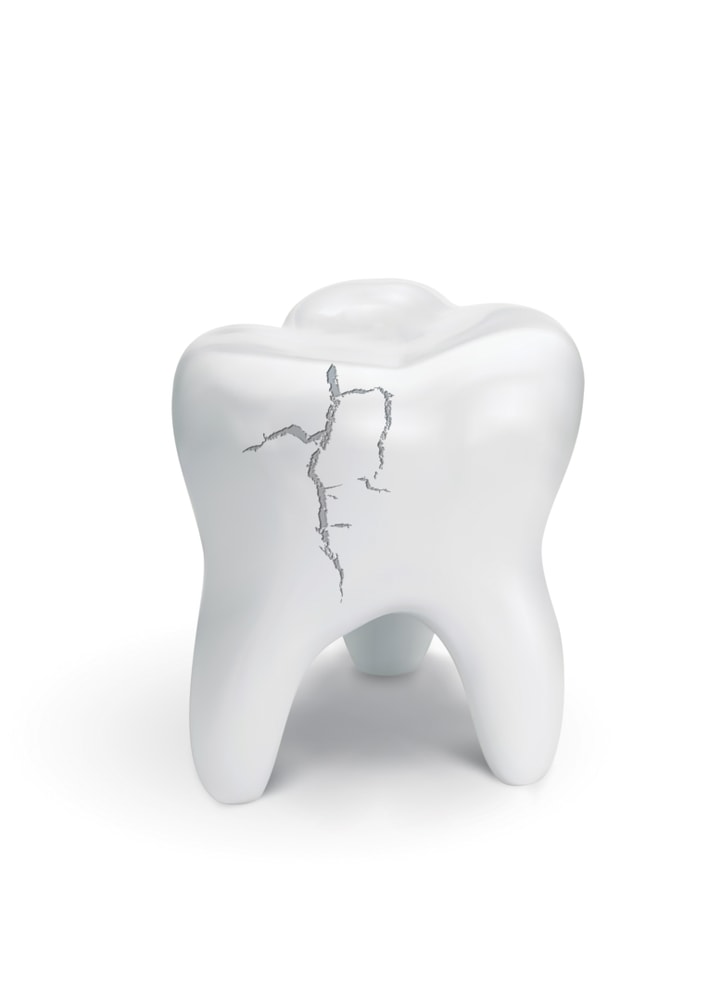
Cracked or broken teeth can be painful and slowly lead to infection if not treated. As adults, this can be quite painful and bothersome. So, imagine how much worse it could be for a child, especially if they don’t know how to explain what’s happening to them and why they’re in pain. The following are some facts about broken or cracked teeth as well as some tips for realizing when a child might have one.
Causes for Cracked or Broken Teeth
Teeth are pretty resilient when it comes to taking the daily wear and tear put on them by our habits. However, many things could happen to cause a tooth to become damaged. Of course, we all know that major instances such as getting hit in the mouth can cause breaks and cracks. However, other basic instances that can cause a break or crack are biting down too hard, eating hard foods, a filling didn’t work properly, decay, cavities, etc. Proper oral hygiene can help many of these instances fall away.
Types of Cracks and Breaks
Minor Cracks – These cracks are very basic and only affect the enamel layer of the damaged tooth. This often is easily fixed by being buffed and polished away by your dentist.
Deep Cracks – These are cracks that go all the way through the tooth and can even reach the nerve. If the nerve receives damage from the crack, a root canal will most likely be necessary for treatment. However, if the crack doesn’t damage the nerve, a crown will be placed on the teeth to strengthen and repair it.
Major Breaks – These often call for a root canal to be repaired. This is when a large portion of the tooth breaks away and exposes the nerve. These can include decay-induced breaks where decay or a cavity in the tooth caused it to be weakened. When a tooth gets too weak, any amount of pressure can cause it to break.
Broken Teeth – This basic term usually refers to the breaks on the chewing surface of your back teeth. These are fixed by crowns and sometimes fillings.
Chips – These are when a very small piece of the tooth is broken away and doesn’t usually require repair. However, if desired, a dentist will usually smooth it out or offer other repair services as needed.
How to Tell if Your Child Might Have a Cracked or Broken Tooth
Children, depending on age, are not always able to effectively communicate when they’re having a problem. If your child seems to shy away from food, tends to chew on only one side of their mouth, or complains or seems to have mouth pain, they may have a damaged tooth. You can check inside their mouth and check each of their teeth but, sometimes, issues like cracks may not be easily seen. Don’t hesitate as broken or cracked teeth can lead to infection and other issues. Always check with your pediatric dentist if you have questions and are unsure.