Blog
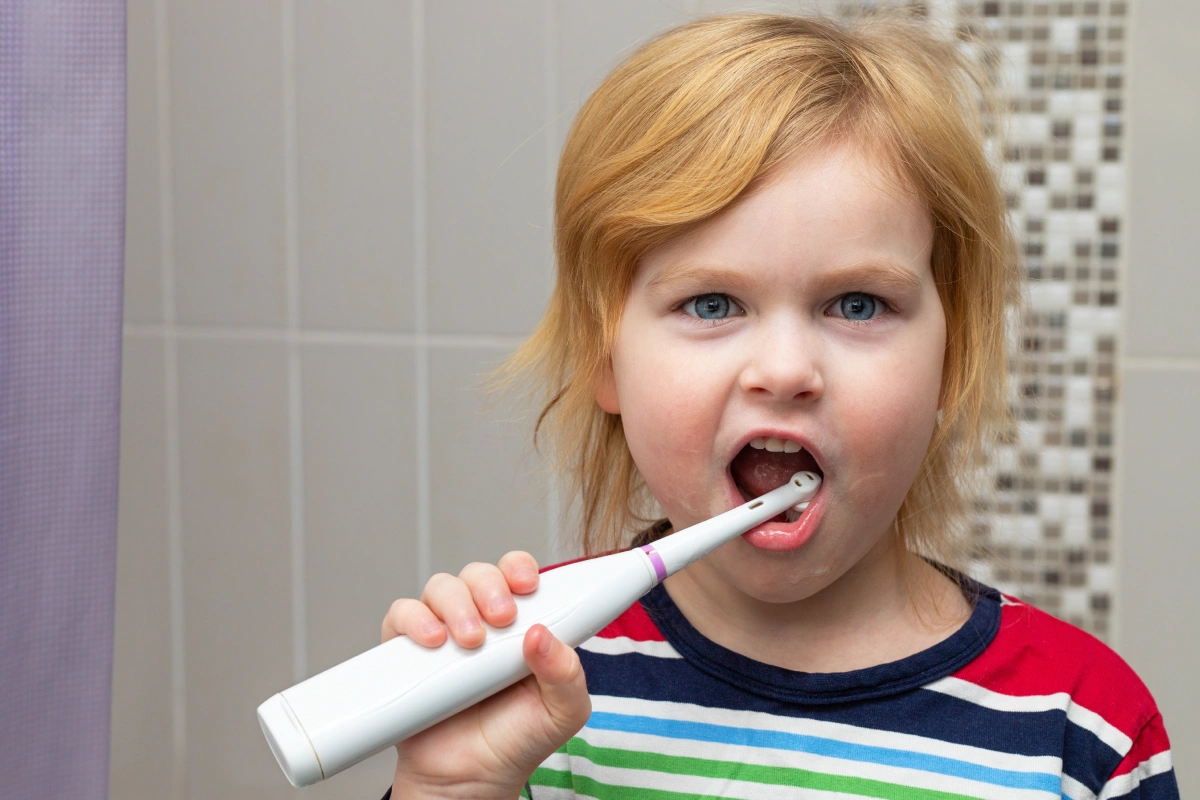
Parents want the very best for their children’s health, including their smiles. Walk through any pharmacy aisle, and you’ll see countless oral care products marketed specifically for kids—colorful toothbrushes, flavored toothpaste, and a wide variety of mouthwashes promising fresher breath and stronger teeth.
With so many options available, it’s natural for parents to wonder whether mouthwash is actually necessary for their child’s daily dental routine. Many parents who search online for a pediatric dentist near me or a kids dentist near me often ask the same question during dental visits: Should my child be using mouthwash every day?
The truth is that while mouthwash can play a role in certain situations, it is usually not the most important part of a child’s oral hygiene routine. For most kids, the real key to preventing cavities and maintaining healthy teeth is consistent brushing and flossing.
In this article, we’ll explore how cavities form, why brushing is the most important habit for children, and when mouthwash might actually be useful. Understanding these basics can help parents build a dental routine that truly protects their child’s smile.
How Cavities Form in Children
To understand why brushing is so important, it helps to know how cavities develop.
Our mouths naturally contain bacteria. Most of these bacteria are harmless, but when food particles—especially sugars and carbohydrates—remain on the teeth, bacteria begin to feed on them.
As bacteria break down these sugars, they produce acids. Over time, these acids weaken the protective enamel on the surface of the teeth. When enamel becomes damaged, cavities can begin to form.
Children are especially vulnerable to cavities for several reasons:
- They often enjoy sugary snacks and drinks
- Their brushing habits may still be developing
- They may miss certain areas of the mouth while brushing
Because plaque (a sticky film of bacteria) builds up on the teeth throughout the day, removing it regularly is essential.
This is where mechanical cleaning—brushing and flossing—plays a critical role.
Why Mechanical Cleaning Matters Most
When it comes to preventing cavities, the most effective method is physically removing plaque from the teeth.
Brushing and flossing accomplish this by scrubbing plaque away from tooth surfaces before bacteria have time to produce harmful acids.
A toothbrush works by:
- Removing plaque buildup
- Disrupting bacterial colonies
- Cleaning the gumline
- Reaching areas where food particles collect
Flossing helps remove plaque and food debris from between the teeth where toothbrush bristles cannot reach.
Mouthwash, on the other hand, primarily rinses the mouth but does not physically remove plaque stuck to the teeth. This is why most dentists emphasize brushing and flossing as the foundation of good oral hygiene.
Parents searching online for a pediatric dentist often learn that mouthwash is considered a supplement, not a replacement for brushing.
Why Mouthwash Is Often Unnecessary for Young Children
While mouthwash can provide certain benefits, it’s not usually essential for young children’s daily dental care routine.
There are several reasons for this.
Young Children May Swallow Mouthwash
Many mouthwashes contain ingredients that should not be swallowed, including fluoride or antiseptic compounds.
Young children may not yet have the coordination needed to rinse and spit properly. For this reason, dentists often recommend avoiding mouthwash for younger kids unless specifically advised by a dental professional.
Mouthwash Does Not Remove Plaque
Mouthwash may temporarily reduce bacteria in the mouth, but it does not physically remove plaque from teeth.
Plaque must be brushed and flossed away to prevent cavities and gum irritation.
Marketing Can Be Misleading
Many mouthwashes are marketed as essential for oral health, but for most children with good brushing habits, they are not necessary.
A kids’ dentist typically encourages parents to focus on building strong brushing routines rather than relying on additional products.
When Mouthwash May Be Helpful for Kids
Although mouthwash isn’t necessary for most children, there are situations where it may be recommended.
Children with Braces
Braces can create additional areas where food particles and plaque accumulate. In some cases, dentists may recommend a fluoride rinse to help protect the teeth.
Children with High Cavity Risk
Some children are more prone to cavities due to diet, genetics, or enamel strength. A dentist may recommend a fluoride rinse as an extra preventive step.
Older Children Who Can Rinse Safely
Older kids and teenagers who can reliably rinse and spit without swallowing may use mouthwash as part of their routine if recommended by a dental professional.
However, even in these cases, mouthwash should never replace brushing and flossing.
Parents who find a pediatric dentist near me often receive personalized guidance on whether mouthwash is appropriate for their child.
The Right Way for Kids to Brush Their Teeth
Because brushing plays such an important role in cavity prevention, developing proper brushing habits early is essential.
Here are several guidelines that help children brush effectively.
Brush Twice a Day
Children should brush their teeth once in the morning and once before bedtime.
Nighttime brushing is especially important because bacteria can multiply while sleeping.
Use Fluoride Toothpaste
Fluoride strengthens tooth enamel and helps prevent cavities.
For younger children, a small smear of toothpaste is recommended. Older children can use a pea-sized amount.
Brush for Two Minutes
Dentists recommend brushing for a full two minutes to ensure all areas of the mouth are cleaned thoroughly.
Using a timer or playing a short song can help kids stay engaged during brushing.
Clean All Tooth Surfaces
Brushing should include:
- Front surfaces of teeth
- Back surfaces of teeth
- Chewing surfaces of molars
- The gumline
These areas are where plaque tends to accumulate.
Parents Should Supervise Brushing
Most children need assistance or supervision when brushing until around age 7 or 8.
A kids’ dentist can also demonstrate proper brushing techniques during dental visits.
Common Brushing Mistakes Parents Should Watch For
Even children who brush daily may still miss important areas.
Some common brushing mistakes include:
- Brushing too quickly
- Missing the back teeth
- Not brushing along the gumline
- Using too much toothpaste
- Brushing without supervision
Helping children develop consistent brushing habits can significantly reduce their risk of cavities.
Why Regular Dental Visits Are Important for Kids
In addition to brushing and flossing at home, routine dental visits are essential for maintaining a healthy smile.
A pediatric dentist specializes in caring for children’s developing teeth and can help detect problems early.
Routine dental visits provide several benefits:
- Professional cleanings to remove plaque and tartar
- Monitoring of tooth development
- Fluoride treatments for cavity protection
- Guidance on brushing and flossing techniques
- Early detection of dental concerns
Parents often begin their search for a kids dentist near me once their child’s first teeth appear. Establishing dental care early helps children become comfortable with dental visits.
Signs Your Child May Need a Dental Checkup
Even if your child brushes regularly, certain symptoms may indicate the need for a dental evaluation.
These include:
- Tooth sensitivity
- White or brown spots on teeth
- Persistent bad breath
- Bleeding gums
- Tooth pain
- Difficulty chewing
If your child experiences any of these symptoms, scheduling an appointment with a pediatric dentist near me can help identify the cause and prevent further problems.
Tips for Building Strong Oral Hygiene Habits
Helping children develop good dental habits early can set the stage for lifelong oral health.
Here are some helpful strategies for parents.
Make Brushing Fun
Use colorful toothbrushes, flavored toothpaste, or brushing apps designed for kids.
Brush Together
Children often mimic their parents’ habits. Brushing together as a family can encourage consistency.
Use a Brushing Timer
Two minutes can feel long for kids. A timer or music can make brushing more engaging.
Create a Routine
Brushing at the same time each morning and night helps build consistency.
Reward Good Habits
Positive reinforcement can motivate children to maintain healthy routines.
Schedule a Consult To Learn More About Your Kids’ Oral Health
While mouthwash may seem like an important addition to a child’s dental routine, it is usually not necessary for most kids. The most effective way to protect children’s teeth is through consistent brushing, flossing, and regular dental checkups.
Mechanical cleaning—physically removing plaque with a toothbrush and floss—is the foundation of cavity prevention. When children develop strong brushing habits early, they are far more likely to maintain healthy smiles throughout their lives.
If you’ve been searching online for a kids dentist near me or trying to find a pediatric dentist near me who understands children’s unique dental needs, professional guidance can make a big difference in building healthy habits.
At Kidtastic Pediatric Dental & Orthodontics, Mesa, AZ, our experienced team is dedicated to helping children develop strong oral hygiene routines in a fun and supportive environment.
If you’re looking for a trusted pediatric dentist or kids dentist for your child, we invite you to schedule an appointment with our team today.
Contact Kidtastic Pediatric Dental & Orthodontics, Mesa, AZ, at 928-589-5370 to book your child’s visit and help them build a healthy, confident smile that lasts a lifetime.