Blog

What foods should kids avoid after getting dental sealants? Sticky, hard, and sugary foods are the main culprits.
Dental sealants are a popular and effective way to protect kids’ teeth from cavities, especially the back molars, where cavities are most likely to form. After getting dental sealants for kids, it’s important to take special care of the teeth to ensure that the sealants remain intact and provide the full benefits.
In this blog, we will focus on the foods kids in Mesa should avoid after getting tooth sealants, so they can continue to enjoy strong and healthy teeth for years to come.
At Kidtastic Pediatric Dental & Orthodontics, we understand how crucial it is to maintain proper care after dental sealing. Let’s dive into the foods to avoid to protect your child’s dental sealants.
Why Are Dental Sealants Important?
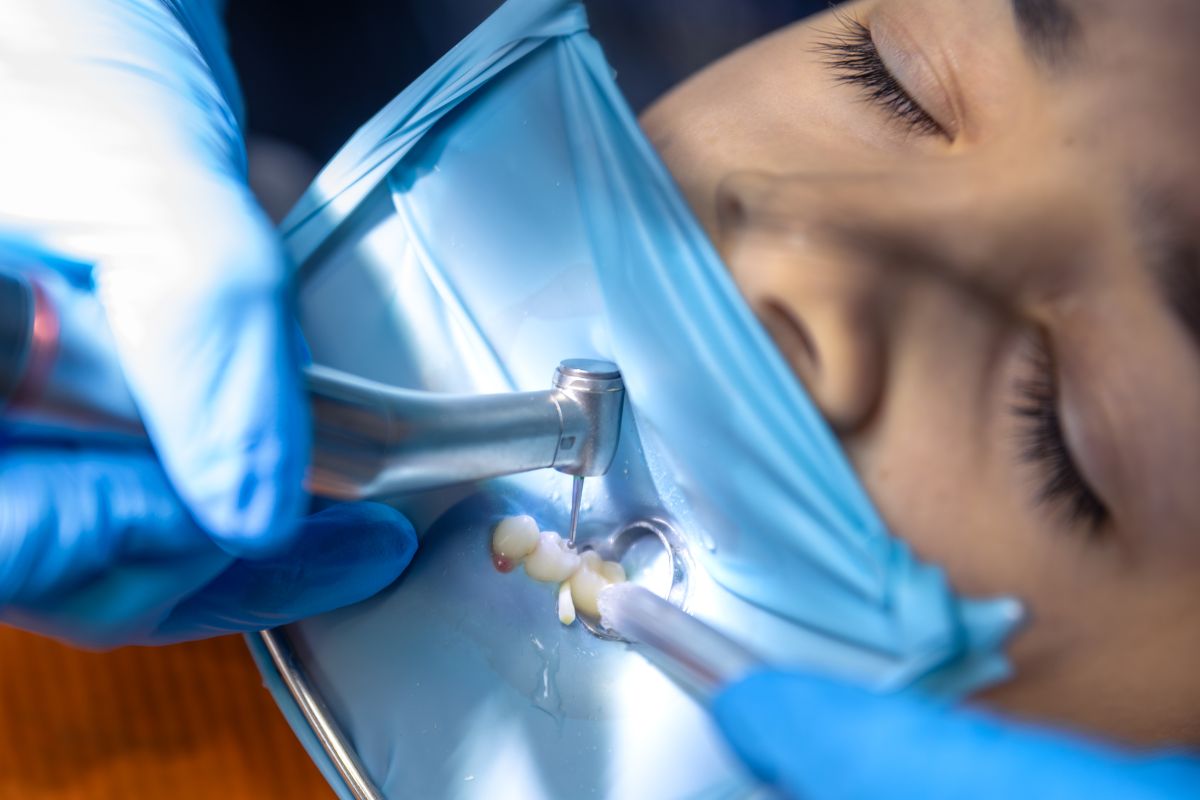
Tooth sealants for cavity prevention work by creating a thin, protective coating on the chewing surfaces of the back teeth. This coating helps to prevent cavities by sealing out food particles, bacteria, and acids that can cause decay. Sealants are especially useful for kids, as they are prone to tooth decay due to their eating habits and oral care routines.
However, after getting the sealant applied, your child’s teeth may be sensitive for a short time. It’s crucial to avoid foods that could damage the sealant or compromise its effectiveness. Here’s a guide on what foods to avoid.
Foods to Avoid After Getting Dental Sealants
| Why Avoid After Dental Sealants | Examples | Granola bars, fruit leather, and some crackers |
|---|---|---|
| Sticky Foods | Caramels, taffy, chewing gum | Sticky foods cling to teeth and can pull sealants off or weaken them, especially right after application. |
| Hard Foods | Hard candies, ice, raw vegetables | Hard or crunchy foods may chip or crack freshly applied sealants before they fully bond to the tooth. |
| Sugary Foods & Drinks | Soda, juice, desserts, sweet snacks | Sugar feeds cavity-causing bacteria, which can undermine the protective benefits of dental sealants. |
| Acidic Foods | Citrus fruits, pickles, acidic juices | Acidic foods can erode enamel and weaken sealants, making teeth more vulnerable to decay. |
| Sticky or Chewy Snacks | Granola bars, fruit leather, some crackers | These snacks can stick to the sealant surface and increase the risk of sealant wear or buildup. |
How Long Should Kids Avoid Certain Foods?
After getting dental sealants for cavity prevention, kids should avoid sticky, hard, and acidic foods for at least 24–48 hours. This time frame gives the dental sealant enough time to bond properly to the teeth and form a strong protective layer. After this period, children can resume eating most foods, but it’s still important to practice good oral hygiene and be mindful of potentially harmful foods.
Maintaining Dental Sealants After the Procedure
In addition to avoiding certain foods, it’s important to maintain regular oral hygiene practices to keep tooth sealants intact. Here are a few tips to ensure that your child’s sealants last as long as possible:
- Brush and Floss Regularly: Make sure your child continues to brush twice a day with fluoride toothpaste and floss once daily.
- Avoid Chewing on Non-Food Items: Ensure your child does not chew on items such as pencils, fingernails, or ice.
- Visit Your Pediatric Dentist Regularly: Schedule check-ups to ensure the sealants remain intact and effective.
Protect Your Child’s Smile with Dental Sealants
At Kidtastic Pediatric Dental & Orthodontics, we recommend using pediatric dental sealants in Mesa to help protect your kids’ teeth from cavities and decay. Dr. Parsa and our team are dedicated to ensuring your child receives proper care and protection for their growing teeth. After getting dental sealants for kids, it’s important to follow proper care guidelines and avoid certain foods to ensure long-lasting protection.
If you’re interested in dental sealants for kids or ready to protect your child’s smile, book an appointment with us today.
FAQs
Q. How Long Should I Wait To Eat After Getting Dental Sealants?
A: It’s best to avoid eating for at least 30 minutes after the procedure to allow the sealants to set. For the first 24-48 hours, avoid sticky and hard foods.
Q. Can Tooth Sealants Be Reapplied?
A: Yes, if a sealant wears off or is damaged, it can be reapplied by your pediatric dentist to ensure continued protection.
Q. Are Dental Sealants Safe For Kids?
A: Yes, they are safe for kids and are a proven method of preventing cavities on the chewing surfaces of molars.
Q. How Long Do Dental Sealants Last?
A: Dental sealants for kids can last several years, but regular check-ups are important to ensure they remain intact and effective.
Q. Can Kids Eat Normally After Getting Dental Sealants?
A: After the initial 30 minutes, kids can eat soft foods. However, they should avoid sticky, hard, and acidic foods for at least 48 hours post-treatment.