Blog
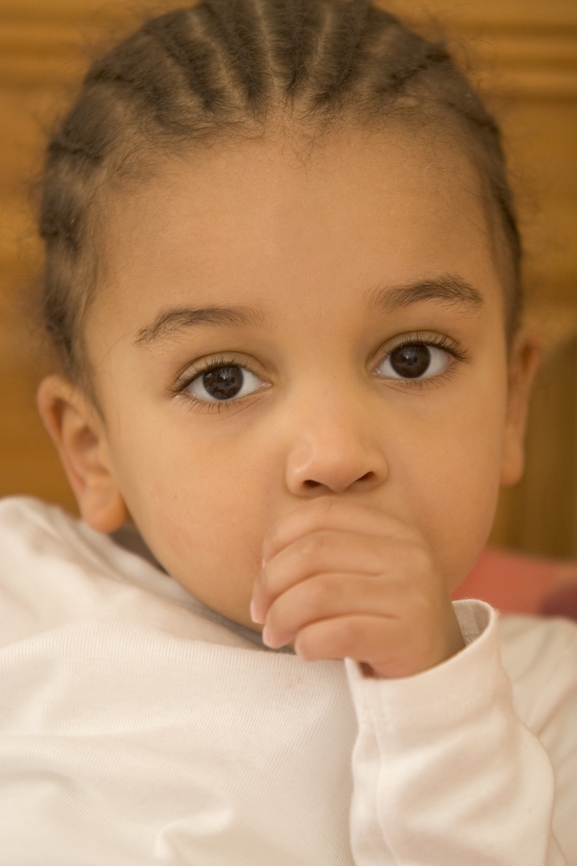
Along with security blankets and teddy bears, the act of thumb sucking can be a way for a small child to relax and soothe himself. In most cases, this is not a cause for concern.
In fact, most experts say that it’s normal and even healthy for your baby to suck his thumbs while he’s still an infant. More than three-quarters of infants engage in the pastime during the first year of life to alleviate boredom or stress, and some babies even start thumb sucking inside the womb. Up until the age of 2, any teeth problems caused by sucking a thumb usually self-correct within six months after they stop and you and your child’s dentist have no cause for concern.
Thankfully, most kids give up these habits on their own as they reach preschool years. They either stop finding the activity gratifying or realize that the other kids aren’t doing it (yes, social pressures start that early). As children move past toddlerhood and start attending school, it’s far less socially acceptable to resort to “baby things.” However, one in five children will still be sucking his thumb past his 5th birthday, and that’s when problems (both social and dental) can develop.
Around the 5th birthday is also the age when permanent teeth start coming in, and if your child is still sucking his thumb at this point, it could cause the teeth to develop an abnormal bite. Your pediatric dentist will be able to tell if your child has an issue with thumb sucking that can cause problems with the proper growth of the mouth, tooth alignment and the shape of the roof of his mouth.
As a general rule of thumb (no pun intended), your child should give it up at about age 2, and if your child is still thumb sucking around the age of 5, then it’s time to think about what you can do to help him. A word of caution, however. Attempts to steer a child away from thumb-sucking can backfire if they are not tempered with support and guidance. Don’t ever nag or punish your child for the act and don’t pull your child’s finger out of his mouth. Most children really want to stop, but just need a little extra help. If you need help, talk to your child’s dentist about ways to help him kick the habit.