Blog
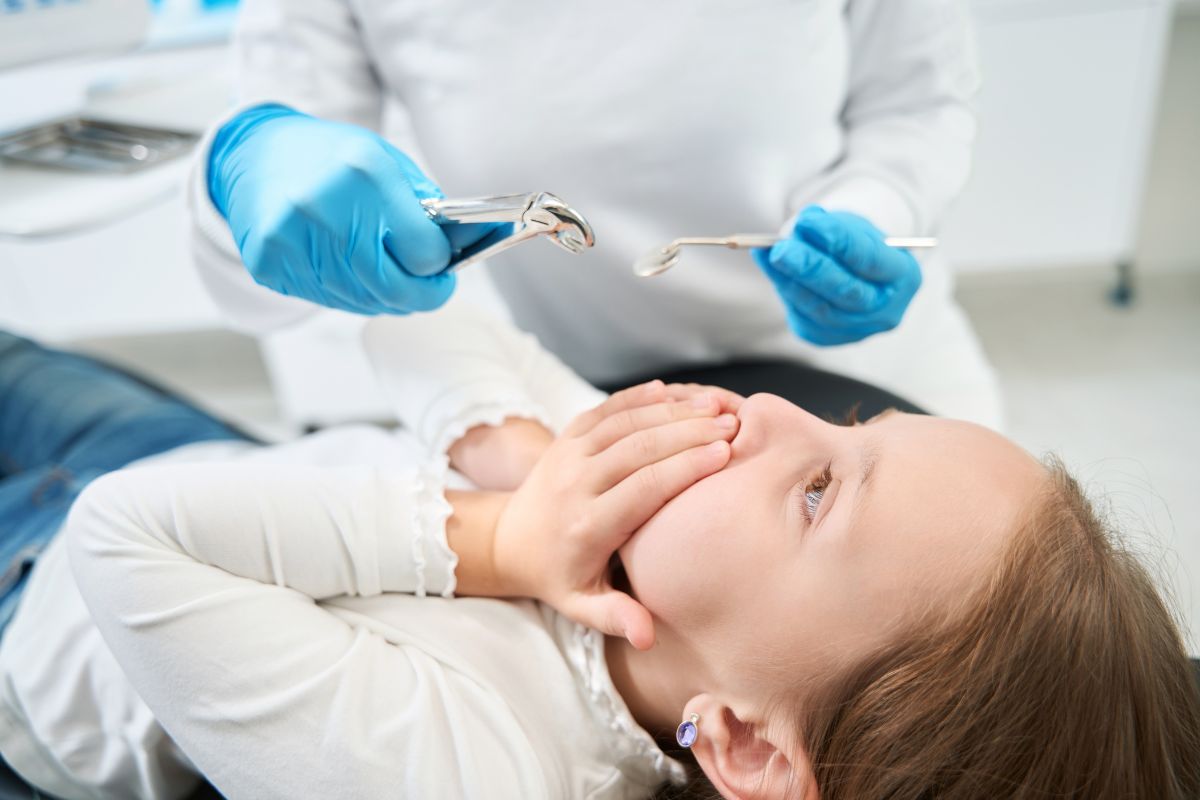
Dental visits can be a source of anxiety for children, making it difficult for parents to know how to proceed with their child’s dental care. Fortunately, sedation in pediatric dentistry helps children feel more comfortable during treatment. The right level of sedation can ensure that your child receives the dental care they need without the stress and fear that often accompany dental appointments. But how do you decide which type of sedation is right for your child?
At Kidtastic Pediatric Dental & Orthodontics, we understand the importance of making dental visits as comfortable and stress-free as possible for children. In this blog, we’ll explore the different types of sedation dentistry, including minimal sedation, moderate sedation, and deep sedation, to help you make an informed decision about which option is best for your child.
What is Sedation Dentistry and Why Is It Needed?
Sedation in dentistry refers to the use of medications to help patients relax or sleep during a dental procedure. While some children may feel nervous about a dental visit, others may experience severe anxiety that makes it difficult for the dentist to perform necessary treatments. In such cases, sedation for pediatric dentistry can be beneficial.
There are different levels of sedation used in pediatric dentistry, depending on the child’s needs. The goal is to ensure that the child is comfortable, calm, and relaxed, and that the dentist can complete the treatment safely and effectively.
When choosing the right level of sedation, it’s essential to consider factors such as the child’s anxiety level, the complexity of the procedure, and the overall health of the child. For some, a mild sedative is sufficient, while others may require a deeper level of sedation to ensure their comfort. If you are seeking a kids’ sedation dentist in Chandler, our team at Kidtastic Pediatric Dental & Orthodontics is ready to discuss which type of sedation would be most appropriate for your child’s needs.
The Three Types of Sedation for Pediatric Dentistry
1. Minimal Sedation: The Lightest Level of Sedation
Minimal sedation is the lightest level, in which the child remains awake and able to communicate with the dentist. It’s typically used for children who experience mild anxiety or are undergoing simple procedures like routine cleanings or exams. With minimal sedation, the child feels relaxed but is still conscious and able to respond to the dentist’s instructions.
The most common method of minimal sedation is through oral sedation for pediatric dentistry. This involves giving the child a mild sedative, either as a pill or a liquid, to help them relax during the procedure. While they may still feel drowsy, they are not fully asleep, and they can breathe on their own without assistance.
Minimal sedation vs moderate sedation comes into play when the child’s level of anxiety or the complexity of the procedure increases. If minimal sedation does not provide the necessary relaxation, a moderate level may be required.
2. Moderate Sedation: A Step Up for More Complex Procedures
Moderate sedation is used for children who may require a little more relaxation during their dental procedures. With moderate sedation, the child may be slightly groggy but can still respond to verbal cues and physical touch. They may experience some short-term memory loss about the procedure once it’s completed.
Moderate sedation vs deep sedation is relevant when the procedure requires a deeper level of relaxation. Moderate sedation is commonly used for procedures like cavity fillings, dental extractions, or other treatments that require the child to remain still for a longer period.
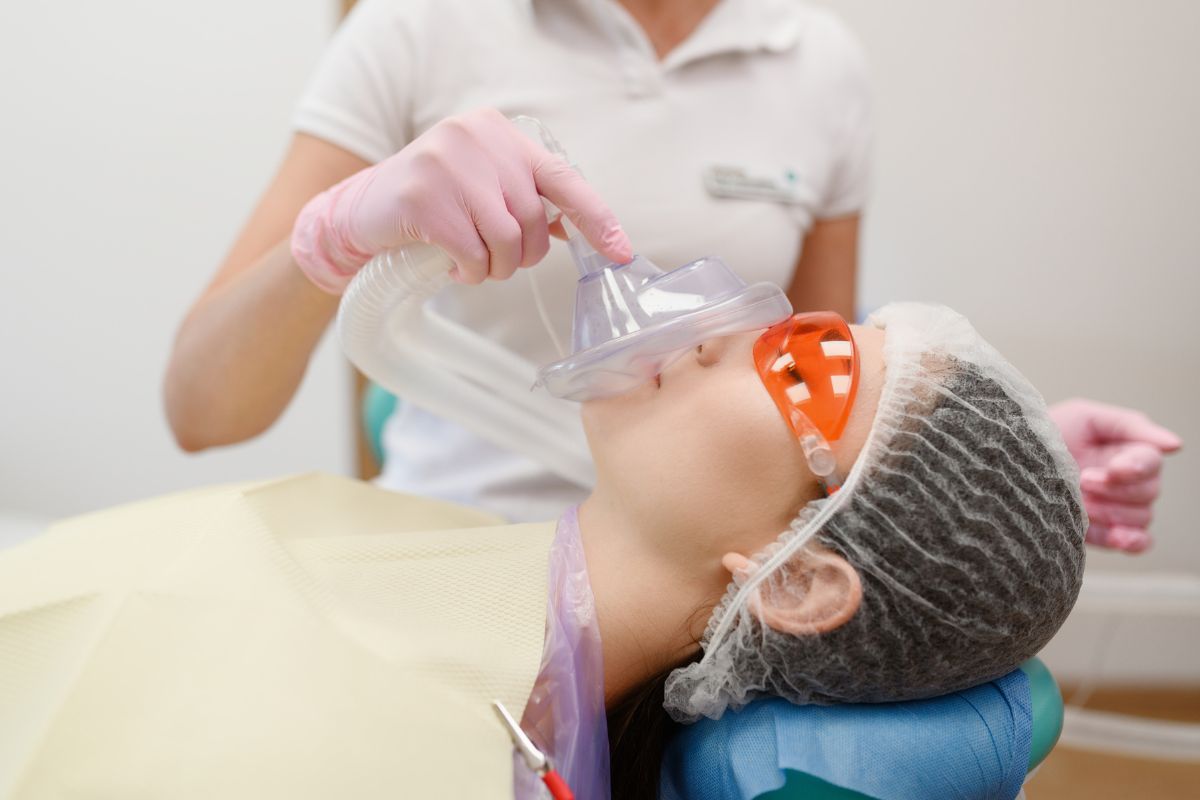
The most common way to administer moderate sedation is through inhalation (laughing gas) or oral sedation. Pediatric dentistry oral sedation can help children relax without an IV or deeper sedatives, but it provides a bit more sedation than minimal sedation.
3. Deep Sedation: For Extensive Procedures and High Anxiety
Deep sedation dentistry is used when a child requires a higher level of sedation for more invasive or longer dental procedures. During deep sedation, the child is almost completely asleep and may not remember the procedure at all. While the child will still breathe on their own, they will need close monitoring to ensure their safety throughout the procedure.
This type of sedation is typically reserved for children with high levels of anxiety or those who need more complex dental treatments, such as oral surgery or multiple extractions. Deep sedation is usually administered through an IV or other forms of stronger sedative medication. Moderate sedation vs. deep sedation is considered when assessing the child’s specific needs and the complexity of the dental procedure. Deep sedation may be necessary if the child has severe anxiety, is undergoing a significant dental procedure, or cannot remain still enough for treatment.
When Is Sedation Necessary for Pediatric Dentistry?
Not every child will require sedation, and sedation isn’t always necessary for every procedure. Sedation in pediatric dentistry is typically considered for the following reasons:
- High anxiety or fear of the dentist: If a child has severe fear or anxiety about dental visits, sedation can help them remain calm and comfortable throughout the procedure.
- Difficulty sitting still: Some children have trouble staying still for long periods, which can make certain procedures difficult. Sedation can help them stay relaxed and still during treatment.
- Complex or lengthy dental procedures: If a child needs more complex dental treatment, sedation may be required to ensure they remain comfortable and the procedure is completed efficiently.
- Previous traumatic dental experiences: If a child has had a negative experience at the dentist, sedation can help prevent the recurrence of fear and anxiety.
Choosing the Right Sedation for Your Child’s Dental Care
When it comes to sedation in pediatric dentistry, the right choice depends on the child’s age, anxiety level, and the complexity of the dental procedure. From minimal to deep sedation, each level serves a specific purpose to help your child feel safe, comfortable, and relaxed during their dental treatment.
If you’re wondering which level of sedation is best for your child, our team at Kidtastic Pediatric Dental & Orthodontics can help guide you through the decision-making process. We offer a variety of sleep apnea treatment options and sedation options to ensure your child’s visit is as smooth and comfortable as possible. Contact a kids sedation dentist in Chandler today to learn more about how we can help with your child’s dental needs.
FAQs
Q. What are the risks of sedation in pediatric dentistry?
A: While sedation is generally safe when used appropriately, risks can include allergic reactions, breathing difficulties, and over-sedation. It’s important to choose a qualified dentist to manage sedation.
Q. How do I know if my child needs sedation?
A: Your dentist will evaluate your child’s anxiety, medical history, and the complexity of the procedure to determine if sedation is necessary.
Q. Can my child eat before sedation?
A: For safety reasons, children should avoid eating for several hours before sedation. Your dentist will give you specific instructions to follow.
Q. Is sedation safe for young children?
A: Yes, when administered by a trained professional, sedation is safe for young children. Your dentist will monitor your child closely during the procedure.
Q. What is the recovery time after sedation?
A: Recovery time varies depending on the type of sedation used. With minimal sedation, recovery is usually quick, but with deep sedation, your child may need some time to fully wake up.
Q. Can sedation be used for all dental procedures?
A: Sedation is most commonly used for procedures that are longer or more complex, but it’s not necessary for every dental visit.