Blog
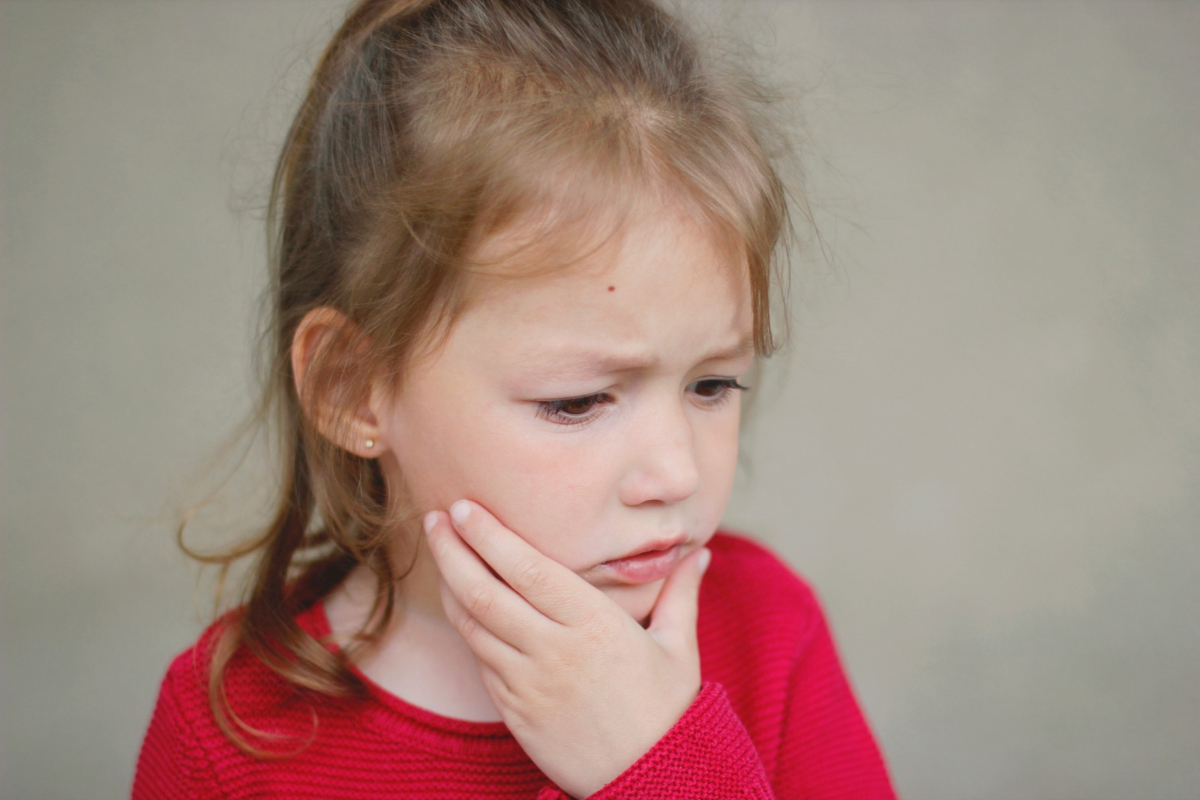
A fall at the playground, a collision on the soccer field, or a bike crash can turn an ordinary afternoon into a scary one. Once the emergency is handled, many parents wonder what comes next. As a pediatric dentist in Gilbert, we see this often, and we want you to know that the first visit is only the beginning. Follow-up visits help ensure an injured tooth heals the way it should.
Why Follow-Up Visits Matter After a Tooth Injury
A tooth can look fine on the outside and still be hurt on the inside. The nerve and blood supply sit deep within the tooth, and an injury can affect them days or even months later. Baby teeth also sit very close to the permanent teeth growing underneath, so an injury to a baby tooth can sometimes affect the adult tooth below. Follow-up visits let the dentist catch quiet problems early, often before your child feels any pain.
What We Check at a Follow-Up Visit
At each visit, your child’s pediatric dentist in Gilbert looks at several things. We check the color of the injured tooth, since a pink, gray, or yellowish tint can signal changes inside. We look at the gums for swelling, bumps, or tenderness, which can point to infection. We check whether the tooth feels loose or sits differently when your child bites. When needed, we take dental X-rays to see the root and the bone around it.
A Typical Follow-Up Timeline
Every injury is different, so your dentist sets a schedule based on what happened. In general, expect a recheck within the first week or two, another visit a few weeks later, and then checks at about three months, six months, and one year. A tooth that was knocked loose or pushed out of position may need more frequent visits, while a minor chip may need fewer. Treat this as a general picture and follow the plan your dentist gives you.
Why do some injuries need such long monitoring? Because healing inside a tooth is slow. A tooth that looks calm at three months can still show changes at six, and early treatment is usually simpler, less invasive, and more comfortable for your child than waiting until a problem becomes painful.
Common Injuries and What Follow-Up Looks Like
Chipped or cracked teeth are the most common. Minor enamel cracks are not an emergency, and small fractures can often be treated with a dental sealant. A deeper fracture that exposes the inner pulp may need pulp treatment. We watch for color changes and sensitivity at later visits.
A knocked-out or displaced tooth needs care right away. For a permanent tooth, handle it by the crown and bring it to our office as soon as possible. After treatment, follow-up visits confirm that the gums are healing and the tooth is stable. If a tooth was pushed up into the gum, we monitor how it moves back into place.
A concussed tooth stays in its socket but takes a hard hit. It may darken over time, and immediate treatment is often unnecessary unless the tooth changes color. A darkening tooth can mean tissue damage and the need for root canal therapy, which is exactly why rechecks matter.
A suspected broken jaw or any head injury needs the emergency room first. Your dentist can follow up on the teeth and mouth afterward.
Signs to Call Us Before Your Next Appointment
Do not wait for the next scheduled visit if you notice a darkening tooth, a bump on the gums, swelling in the mouth or face, fever, worsening pain, a tooth that feels looser, or trouble biting. These signs can point to infection or damage that needs prompt care. Call us right away. If swelling spreads toward the eye or neck, or your child has trouble breathing or swallowing, go to the emergency room.
How to Help Your Child Heal at Home
Offer soft foods for a few days and keep the area clean with gentle brushing. Avoid hard or sticky foods until your dentist says otherwise. Keep your child out of contact sports until the dentist gives the all-clear, and ask about a custom mouthguard so the same injury does not happen twice. Most importantly, keep every follow-up appointment, even when your child seems completely fine.
What to Expect at Our Gilbert Office
Our Gilbert dental team includes Dr. Charlie Brown, who was born and raised in Mesa and is a board-certified pediatric dentist, along with Dr. Stephen Montoya, Dr. Arman Parsa, Dr. Bradley L. Farr, and orthodontist Dr. Alexandria Rozgony. Our friendly staff speaks both English and Spanish. We prioritize same-day appointments for dental emergencies, and we offer sedation options for children with dental anxiety. Families have rated the office 4.8 stars across more than 740 Google reviews, and several parents mention how quickly we fit them in after a fall.
We know a tooth injury is stressful for kids too. Our team explains each step in kid-friendly language, takes time to answer parent questions, and works to keep every follow-up visit calm and positive.
Book a Follow-Up Visit in Gilbert
If your child has had a tooth injury, you do not have to figure out the next steps alone. As a trusted pediatric dentist in Gilbert, we are here to examine, treat, and track healing every step of the way. New patients and emergency appointments are welcome at Kidtastic Pediatric Dental and Orthodontics. Visit our Gilbert page or our emergency care page to learn more, then call 480-988-2079 or book online today. We are at 3303 East Queen Creek Road, Suite 106, Gilbert, Arizona 85297. We are open Monday through Thursday from 7 AM to 4 PM, and every other Friday from 7 AM to 4 PM, so please call to confirm Friday hours.
Frequently Asked Questions
How soon should my child see a dentist after a tooth injury?
As soon as possible. Call right away for a knocked-out, loose, or broken tooth. Even without pain, a check within a day or two is wise.
Can a tooth turn dark after an injury?
Yes. Color changes can show up days or even weeks later. A darker tooth is not always lost, but it should be evaluated promptly.
Will a baby tooth injury affect the adult tooth?
Sometimes. Because baby teeth sit close to developing permanent teeth, we monitor healing closely. Most children do well with proper follow-up.
Does my child need X-rays at every visit?
Not always. Your dentist decides based on the type of injury and how well the tooth is healing.
When can my child return to sports?
Only after your dentist says it is safe. A custom mouthguard is strongly recommended when they return.