Blog
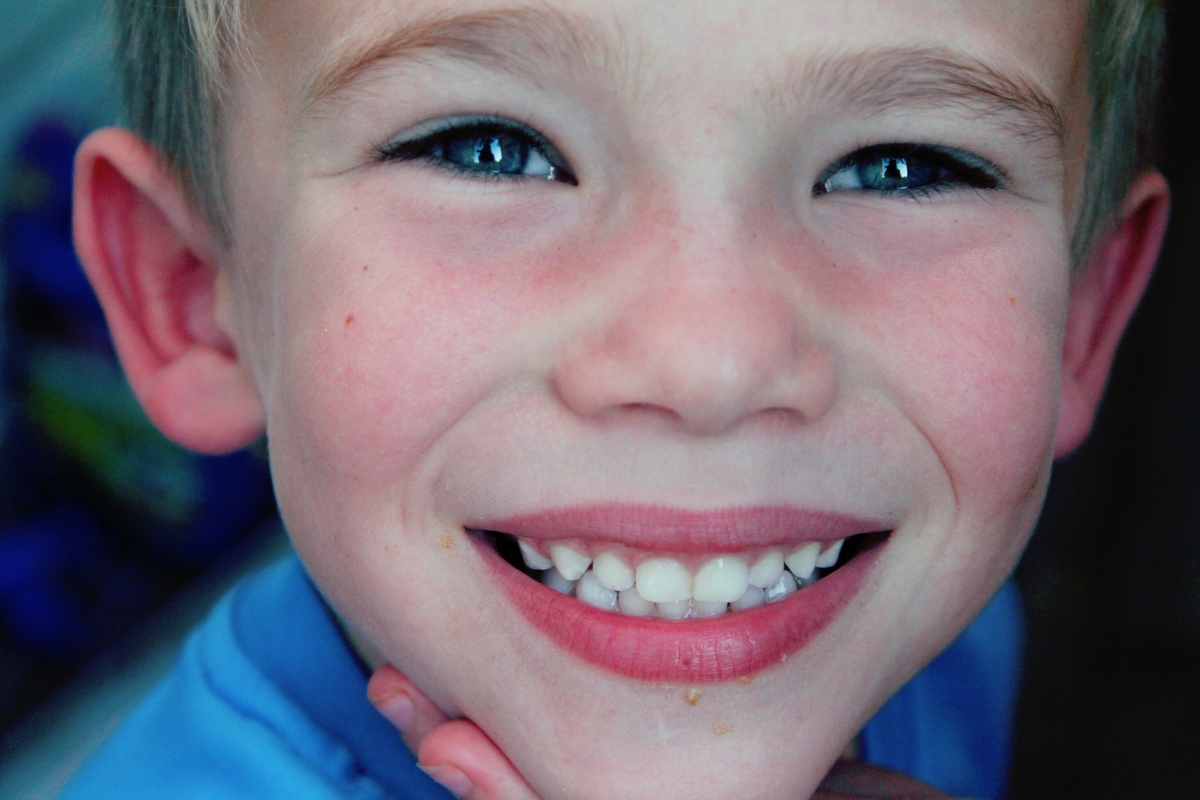
Have you noticed a second row of teeth appearing behind your child’s baby teeth? This unexpected sight can worry parents, especially when the original teeth show no signs of falling out. Often called “shark teeth,” this condition occurs when permanent teeth begin emerging before the baby teeth have loosened or fallen out.
Although the appearance may seem unusual, shark teeth are relatively common during childhood. Most cases resolve naturally, but some require dental attention. Understanding why this happens, what symptoms to watch for, and when intervention becomes necessary can help parents make informed decisions about their child’s oral health.
What Are Shark Teeth in Children?
Shark teeth describe a situation where permanent teeth erupt behind existing baby teeth, creating the appearance of two rows of teeth.
This typically occurs around ages five to seven, when children begin losing their first baby teeth. The lower front teeth are commonly affected, although the condition can also occur elsewhere.
Normally, developing permanent teeth gradually dissolve the roots of baby teeth. As the roots shorten, baby teeth become loose and eventually fall out.
However, sometimes permanent teeth emerge along a slightly different path. The baby tooth remains firmly attached while its replacement appears behind it.
The result is a temporary double row of teeth that may look concerning but does not automatically indicate a serious dental problem.
Why Do Permanent Teeth Grow Behind Baby Teeth?
Several factors can explain why permanent teeth appear before baby teeth fall out.
1. Baby Tooth Roots Have Not Dissolved Completely
Permanent teeth usually stimulate the breakdown of baby tooth roots as they develop.
When a permanent tooth emerges behind its predecessor, the root may not dissolve as expected. Consequently, the baby tooth remains attached longer than usual.
2. Permanent Teeth Follow a Different Eruption Path
Sometimes, a permanent tooth develops slightly behind its expected position.
Instead of pushing directly against the baby tooth root, it emerges through the gum tissue behind the existing tooth.
This is particularly common with lower permanent incisors.
3. Limited Space in the Jaw
Children’s jaws continue developing as they grow. If there is insufficient room for emerging permanent teeth, their eruption paths may become crowded.
Crowding can contribute to overlapping teeth, although shark teeth do not necessarily mean a child will need braces.
4. Differences in Dental Development
Every child’s teeth develop at a different pace.
Some children lose baby teeth early, while others retain them longer. Variations in eruption timing can temporarily produce two rows of teeth without indicating abnormal development.
Are Shark Teeth Normal or a Cause for Concern?
In many children, shark teeth represent a temporary stage of dental development.
As the baby tooth loosens and falls out, the tongue’s natural pressure may help the permanent tooth gradually move forward.
However, parents should not assume every case will resolve independently.
A pediatric dentist in San Tan Valley can evaluate whether the baby tooth is loosening appropriately and whether the permanent tooth has sufficient space.
The following signs deserve attention:
- A baby tooth remains completely firm while its replacement continues erupting.
- The child experiences persistent discomfort while chewing.
- Gum tissue becomes swollen, painful, or unusually red.
- Permanent teeth appear significantly crowded.
- The child struggles to clean between overlapping teeth.
Severe pain, facial swelling, fever, or difficulty swallowing requires prompt assessment rather than waiting for a routine appointment.
Will the Baby Tooth Fall Out Naturally?
Many baby teeth eventually loosen and fall out without treatment.
When the permanent tooth begins erupting behind a baby tooth, its root may continue dissolving over time.
Once the baby tooth falls out, the permanent tooth often shifts toward its expected position.
However, this movement depends on available space, tooth alignment, and the child’s stage of development.
Parents can monitor the situation by observing whether the baby tooth becomes increasingly loose.
If it remains firmly attached or the permanent tooth continues emerging significantly behind it, a dental examination is appropriate.
Avoid setting a strict deadline for natural tooth loss without professional guidance. Each child’s eruption pattern is different.
Should Parents Try to Pull Out the Baby Tooth?
Parents should never forcefully remove a baby tooth simply because a permanent tooth has appeared behind it.
Pulling a firmly attached tooth can cause bleeding, pain, and damage to surrounding tissues.
If the baby tooth is already very loose, children may gently wiggle it using a clean finger or their tongue.
However, they should stop if movement causes pain or bleeding.
When a baby tooth refuses to loosen, a dentist can determine whether removal is necessary.
Professional evaluation also helps prevent unnecessary extractions when natural tooth loss remains possible.
How Do Pediatric Dentists Evaluate Shark Teeth?
A dental examination helps determine whether the condition requires monitoring or treatment.
During an appointment, the dentist may assess:
- Tooth mobility: Whether the baby tooth has begun loosening.
- Eruption position: Where the permanent tooth is emerging.
- Available space: Whether surrounding teeth leave enough room.
- Gum health: Whether overlapping teeth are causing irritation.
- Dental development: Whether tooth eruption follows an expected pattern.
Dental X-rays may be recommended when the clinical examination cannot establish the position of developing teeth or the condition of their roots.
For families visiting a pediatric dentist in San Tan Valley, this evaluation can help distinguish normal developmental changes from concerns requiring intervention.
What Treatment Options Are Available?
Treatment depends on the position of the permanent tooth and whether the baby tooth is likely to fall out naturally.
Monitoring Tooth Eruption
If the baby tooth is loose and the permanent tooth has sufficient space, monitoring may be appropriate.
The dentist may recommend a follow-up examination to assess progress.
Removing a Retained Baby Tooth
If a baby tooth remains firmly attached and interferes with the permanent tooth’s eruption, extraction may be considered.
Removing the retained tooth can create an opportunity for the permanent tooth to move forward naturally.
However, extraction does not guarantee perfect alignment.
Evaluating Orthodontic Concerns
Significant crowding, bite problems, or unusual eruption patterns may require an orthodontic assessment.
The American Association of Orthodontists recommends an initial orthodontic evaluation by age seven.
This does not mean every child needs treatment at that age. Early assessment helps identify developmental concerns and determine appropriate timing.
How Can Parents Protect Their Child’s Teeth During This Stage?
Children with overlapping teeth may find certain areas difficult to clean.
Food particles and plaque can collect between closely positioned teeth, increasing the risk of gum inflammation and tooth decay.
Parents can support healthy oral development through several daily habits:
- Encourage brushing twice daily with fluoride toothpaste.
- Help younger children brush difficult-to-reach areas.
- Floss between teeth that touch.
- Avoid forcing loose teeth out.
- Watch for changes in tooth position or gum appearance.
- Maintain regular dental examinations.
Parents in San Tan Valley should also encourage children to report discomfort rather than ignoring persistent tooth pain.
Consistent oral hygiene remains important even when the extra row of teeth is temporary.
Frequently Asked Questions About Permanent Teeth Growing Behind Baby Teeth
How Long Can Shark Teeth Stay Before They Become a Problem?
There is no universal waiting period. Some baby teeth loosen shortly after permanent teeth emerge, while others remain attached. A dental examination can determine whether continued monitoring is appropriate.
Do Shark Teeth Mean My Child Will Need Braces?
Not necessarily. Many permanent teeth move forward naturally after baby teeth fall out. Orthodontic treatment may be considered when significant crowding or bite problems are present.
Can Shark Teeth Cause Pain or Infection?
Shark teeth themselves are not necessarily painful. However, overlapping teeth can trap plaque and irritate surrounding gums. Persistent pain, swelling, or signs of infection require dental attention.
What Age Do Children Usually Develop Shark Teeth?
Shark teeth commonly appear around ages five to seven, particularly when lower permanent front teeth begin erupting. However, eruption timing varies between children.
When Should Parents in San Tan Valley Schedule a Dental Examination for Shark Teeth?
Parents should arrange an examination when a baby tooth remains firm, discomfort develops, or the permanent tooth appears crowded. A pediatric dentist in San Tan Valley can assess tooth development and recommend appropriate next steps.
Can a Permanent Tooth Straighten Naturally After the Baby Tooth Falls Out?
Yes. Some permanent teeth gradually move into a more typical position through natural oral development and tongue pressure. The amount of movement depends on available space and alignment.
Can Children in San Tan Valley Have a Baby Tooth Removed if It Blocks a Permanent Tooth?
Yes, when clinically necessary. A dentist first evaluates the retained tooth, surrounding structures, and eruption pattern. Extraction is considered when natural tooth loss is unlikely, or the retained tooth interferes with development.
Understanding Your Child’s Changing Smile
Seeing permanent teeth emerge behind baby teeth can be surprising, but the condition frequently reflects a temporary stage of dental development.
Many children experience natural improvement once their baby teeth loosen and fall out. Others may need professional monitoring or treatment to prevent complications.
Recognizing unusual eruption patterns, maintaining oral hygiene, and seeking timely dental evaluations can help children develop healthy permanent smiles.
Help Your Child’s Smile Grow Healthy and Strong
Every growing smile deserves careful attention. At Kidtastic Pediatric Dental and Orthodontics in San Tan Valley, we provide pediatric dental examinations, preventive care, and orthodontic evaluations to help children maintain healthy teeth throughout development.
If your child’s permanent teeth are emerging behind their baby teeth, our team can assess their dental development and discuss appropriate care options.
Contact Kidtastic Pediatric Dental and Orthodontics – San Tan Valley today to schedule your child’s dental appointment and support a lifetime of healthy smiles!