Blog

Most parents do not think about the deep grooves on their child’s back teeth until a dentist points out a cavity. Those tiny pits and ridges trap food and bacteria, and a toothbrush often cannot reach all the way in. That is why pediatric dental sealants in San Tan Valley are one of the simplest ways to protect a growing smile. A sealant is a thin protective coating applied before decay starts, and it can help your child avoid a filling altogether.
Why Back Molars Get Cavities So Easily
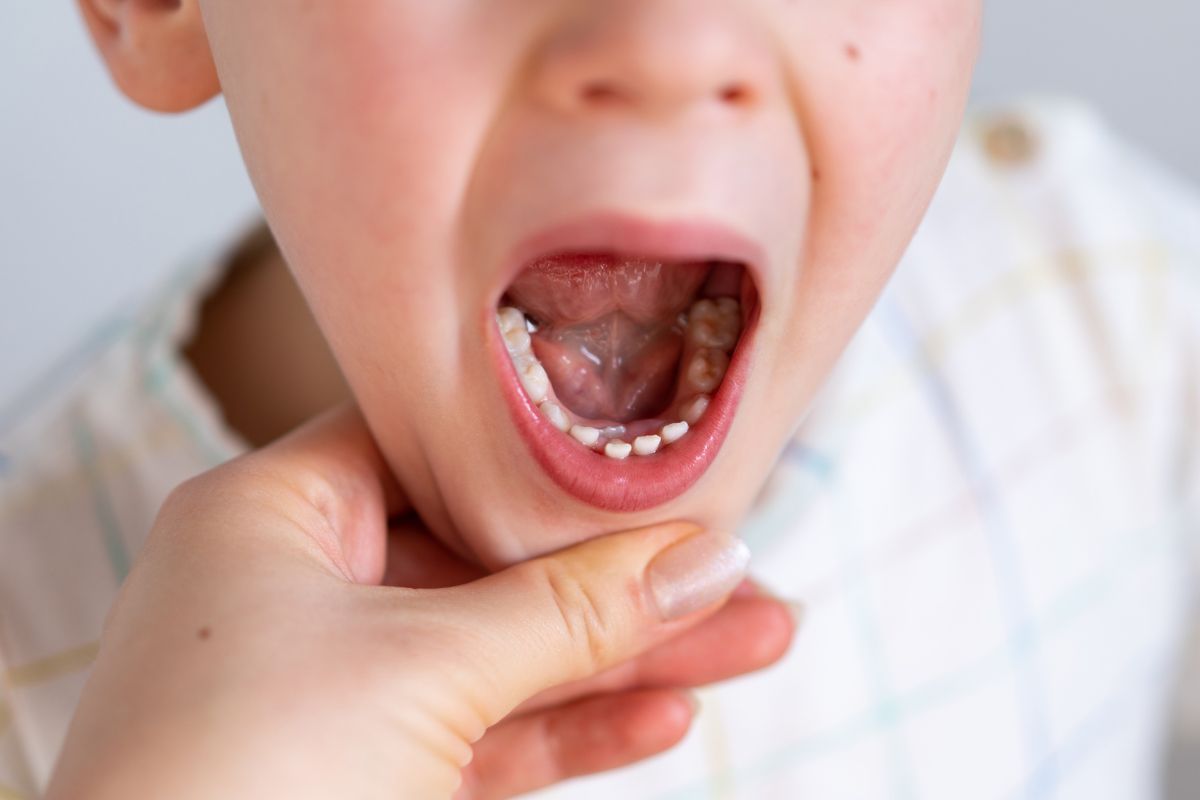
Molars are built for chewing, which means their surfaces are full of narrow grooves. Young children are still learning how to brush well, and even careful brushers miss those tight spots. Add snacks, juice, and the occasional sweet treat, and bacteria have plenty to feed on. Cavities are the most common chronic condition in childhood, and they often start on permanent molars. Protecting those teeth early gives your child a real head start.
Sealants and Fillings Do Two Different Jobs
Think of sealants as prevention and fillings as repair. Pediatric dental fillings in San Tan Valley treat a tooth after decay has already created a weak spot or a hole. The dentist removes the damaged part of the tooth and restores it with a durable material so your child can chew comfortably again. Both treatments are valuable, but they happen at very different moments.
Here is the key difference for families. A sealant protects a healthy tooth, while a filling rescues a tooth that has already been damaged. When a molar is sealed early, the deep grooves are smoothed over, making it much harder for food and bacteria to settle in. That can mean fewer cavities and fewer treatment visits over the years.
How the Sealant Process Works
Placing a sealant is quick and painless. First, the dentist cleans and dries the tooth and keeps it isolated. Next, a gentle gel lightly roughens the surface so the sealant bonds well. After the gel is rinsed away, a clear liquid resin is painted into the grooves, and a special light hardens it into a smooth protective layer. Finally, the dentist checks the edges and makes sure floss passes easily between the treated teeth. Side effects are rare. In some cases, a child may be allergic to an ingredient in the resin, so please tell your dentist about any known allergies.
What Happens When a Cavity Has Already Formed
If decay has already started, a filling is the right solution, and acting early matters. Modern materials such as composite resin and ceramic blend in with your child’s natural tooth color and work well on both front and back teeth. A filling is often finished in about one hour, and fillings last about ten years on average, depending on your child’s diet, brushing habits, and whether they grind their teeth. Waiting can let a small cavity grow into a painful problem or even a dental emergency. If your child feels nervous, sedation dentistry options are available, so please ask us about them.
How Sealants Can Save Your Child a Cavity Treatment
The numbers are encouraging. Research shows that sealants can lower the risk of decay in treated teeth by up to 80 percent. According to the CDC, children without sealants are nearly three times more likely to develop cavities in those teeth than children who have them. For a parent, that can mean fewer filling appointments, less time away from school or work, and fewer worried moments in the dental chair. A sealant is not a replacement for good habits, but it is a strong layer of defense on the teeth that need it most.
Sealants are also a smart fit for busy families. The visit is short, there is no recovery time, and your child can go right back to normal activities. That makes sealants an easy win for parents who are balancing school, sports, and work schedules.
Caring for Sealants at Home
Sealants often protect teeth for up to ten years, but chewing habits can shorten that time. Encourage your child to avoid chewing ice and hard candy, since both can chip the coating and expose the tooth. Keep up with brushing twice a day and flossing daily, because sealants do not replace those habits. Regular checkups every six months let your dentist confirm the sealants are intact and replace them if needed.
When Should Your Child Get Sealants?
Sealants are most often placed soon after permanent molars come in, which is typically around age six for the first molars and around age twelve for the second molars. Some children with deep grooves may also benefit from sealants on certain baby molars. Every mouth is different, so the best answer comes from an exam. Our dentists will review your child’s teeth, cavity risk, and eating habits, then tell you which teeth are good candidates.
Why Local Parents Choose Our Team
Trust matters when you choose care for your child. Our San Tan Valley office features Dr. Todd Butler, Dr. Stephen Montoya, Dr. Jason Brady, and orthodontist Dr. Alexandria Rozgony. Dr. Montoya is a board-certified pediatric dentist who completed a pediatric dental residency. Families have left more than 1000+ Google reviews and rated the office 4.9 stars, and many describe how patient and kind the team is with nervous children.
Schedule Your Child’s Visit in San Tan Valley
Whether you want pediatric dental sealants in San Tan Valley or need pediatric dental fillings in San Tan Valley for a cavity, the best time to act is now. New patients and emergency appointments are welcome at Kidtastic Pediatric Dental and Orthodontics. Visit our dental sealants page or our fillings page to learn more, then call 480-457-1693 or book online today. We are located at 2510 East Hunt Highway, Suite 29, Queen Creek, Arizona 85143, and we are open Monday through Thursday from 7 AM to 4 PM and Friday from 7 AM to 12 PM.
Frequently Asked Questions
Do dental sealants hurt?
No. Placing a sealant is quick and painless. No drilling is involved, and most children are surprised by how easy it is.
How long do sealants last?
Sealants often last up to ten years, though they may need replacement sooner depending on your child’s eating habits. Your dentist checks them at regular visits.
Can a tooth with a cavity still get a sealant?
In very early cases, a sealant can help stop minor decay from progressing. A cavity that has already formed usually needs a filling. An exam is the only way to know which one is right.
Are fillings painful for kids?
We work to keep fillings simple and comfortable. Your child’s dentist explains each step, and sedation options are available for children who feel anxious.
How often should my child visit the dentist?
Checkups and cleanings every six months help prevent cavities and keep sealants and fillings in good shape.