Blog
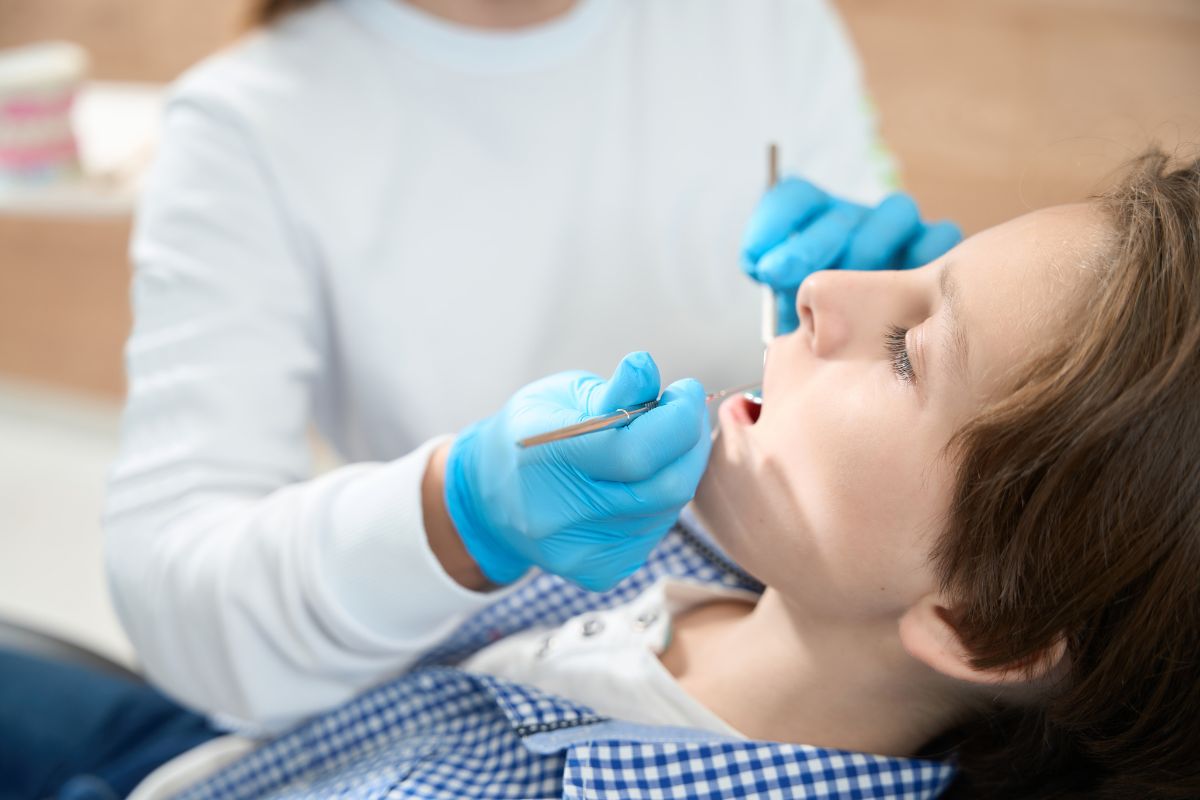
Dental visits can be overwhelming for kids, especially when treatment is needed beyond regular check-ups. Sedation helps children relax and feel comfortable during these procedures, ensuring they receive the necessary care without anxiety.
At Kidtastic Pediatric Dental & Orthodontics, we provide expert pediatric dental care to ensure your child’s comfort and well-being every step of the way. In this blog, you will get to know the two most commonly used methods of sedation in pediatric dentistry: oral sedation and nitrous oxide.
Why Sedation in Pediatric Dentistry?
For many parents, the idea of their child undergoing dental treatment can be daunting. It’s common for children to feel anxious or fearful, which can hinder their ability to sit still for necessary procedures. This is where pediatric sedation comes in. According to the American Academy of Pediatric Dentistry (AAPD), sedation is a safe and effective way to help children relax during dental procedures, ensuring they receive the treatment they need without distress.
The Two Most Common Methods of Sedation in Pediatric Dentistry
Here are the sedatives generally used in pediatric dentistry:
Oral Sedation in Pediatric Dentistry
Oral sedation is one of the most frequently used methods in pediatric dentistry, especially for children who are moderately anxious about dental procedures. This method involves the child taking a sedative medication, usually in the form of a liquid or pill, before the dental appointment.
How It Works:
The sedative is given to the child about 30 to 60 minutes before the procedure. It helps the child to relax and feel at ease without losing consciousness. Oral sedation is typically used for minor to moderately invasive dental treatments, such as cavity fillings or cleanings.
Benefits of Oral Sedation:
- Easier administration: Since it’s given orally, there’s no need for injections or needles.
- Comfortable and effective: Oral sedation helps children relax without putting them completely to sleep, making it an ideal option for anxious children who might have a fear of needles.
- Fewer side effects: While the child may feel drowsy afterward, recovery is usually quick, and side effects are minimal.
Precautions:
The child must have a healthy medical history to ensure the sedative does not cause any adverse reactions. Parents should monitor the child closely after the procedure to ensure they don’t experience nausea or dizziness. A kids’ sedation dentist in Mesa will thoroughly assess your child’s health before recommending oral sedation.
Conscious Sedation in Pediatrics (Nitrous Oxide)
Conscious sedation, often known as nitrous oxide or “laughing gas,” is another commonly used sedation method in pediatric dentistry. This form of sedation helps children remain calm and relaxed during their dental procedures while staying awake and aware of their surroundings.
How It Works:
A trusted pediatric dentist fits a small mask over the child’s nose to deliver Nitrous oxide. The gas induces a light sedative effect, helping the child to feel calm and relaxed. They are still awake and can respond to instructions, but they feel at ease and less anxious. This method is often used for procedures like cleanings, extractions, or minor fillings.
Benefits of Nitrous Oxide Sedation:
- Fast-acting and easily adjustable: Nitrous oxide works quickly, and the effects wear off almost immediately after the mask is removed.
- Minimal side effects: Most children experience no lasting side effects, and it’s generally considered very safe for children of all ages.
- No needles required: Since the sedation is administered through a mask, it’s needle-free, making it less intimidating for children.
- Quick recovery: After the procedure, children can return to their normal activities without needing extended recovery time.
Precautions:
While nitrous oxide is one of the safest sedation methods, it’s important that it is administered by a trained professional. Sedation pediatric medications, including nitrous oxide, must be closely monitored to ensure proper dosing and effectiveness.
Why Choose These Methods?
Both oral sedation and conscious sedation in pediatrics have been proven to be effective and safe ways to help children receive dental care with minimal discomfort or anxiety. Depending on the child’s age, medical history, and the complexity of the procedure, a pediatric sedation dentist will determine the most appropriate method to ensure the best possible experience.
These sedation methods also help reduce the need for general anesthesia, which involves a deeper level of sedation and requires more extensive monitoring. Therefore, sedation options like oral sedation or nitrous oxide are usually the preferred choice for most pediatric dental procedures.
Ensuring a Calm and Comfortable Dental Visit for Your Child
Choosing the right sedation for your child’s dental visit is essential to ensuring a positive, stress-free experience. Both oral sedation and conscious sedation using nitrous oxide are excellent options for children who need extra help feeling calm during their procedure. If you’re looking for a kids’ sedation dentist in Mesa, rest assured that your child’s safety and comfort will always be our top priority.
At Kidtastic Pediatric Dental & Orthodontics, we specialize in making dental visits as easy and stress-free as possible. Our team of pediatric dentists is here to ensure that your child’s oral health is in great hands.
Book an appointment today and let us help your little one have a positive dental experience!
FAQs
Q. What is oral sedation in pediatric dentistry?
A: Oral sedation involves giving your child a medication (usually in liquid form) before the dental appointment to help them relax.
Q. Is nitrous oxide safe for children?
A: Yes, nitrous oxide is one of the safest sedation methods available for children, with minimal side effects and a quick recovery time.
Q. How long does oral sedation last?
A: The effects of oral sedation typically last for the duration of the dental procedure and a little while afterward as the child recovers.
Q. Can sedation be used for infants in pediatric dentistry?
A: Yes, sedation can be used for infants, but it must be done under strict professional guidance, especially for sensitive procedures.
Q. What is the difference between conscious sedation and oral sedation?
A: Oral sedation involves medication taken before the procedure, while conscious sedation, such as nitrous oxide, is administered during the procedure to keep the child calm but still awake.
Q. How do I know if my child needs sedation for their dental visit?
A: Your pediatric dentist will assess your child’s anxiety levels, medical history, and the procedure to determine if sedation is necessary.
Q. How should I prepare my child for sedation in pediatric dentistry?
A: It’s important to follow the dentist’s instructions, which may include fasting for a few hours before the appointment. Ensure your child understands what to expect.