Blog
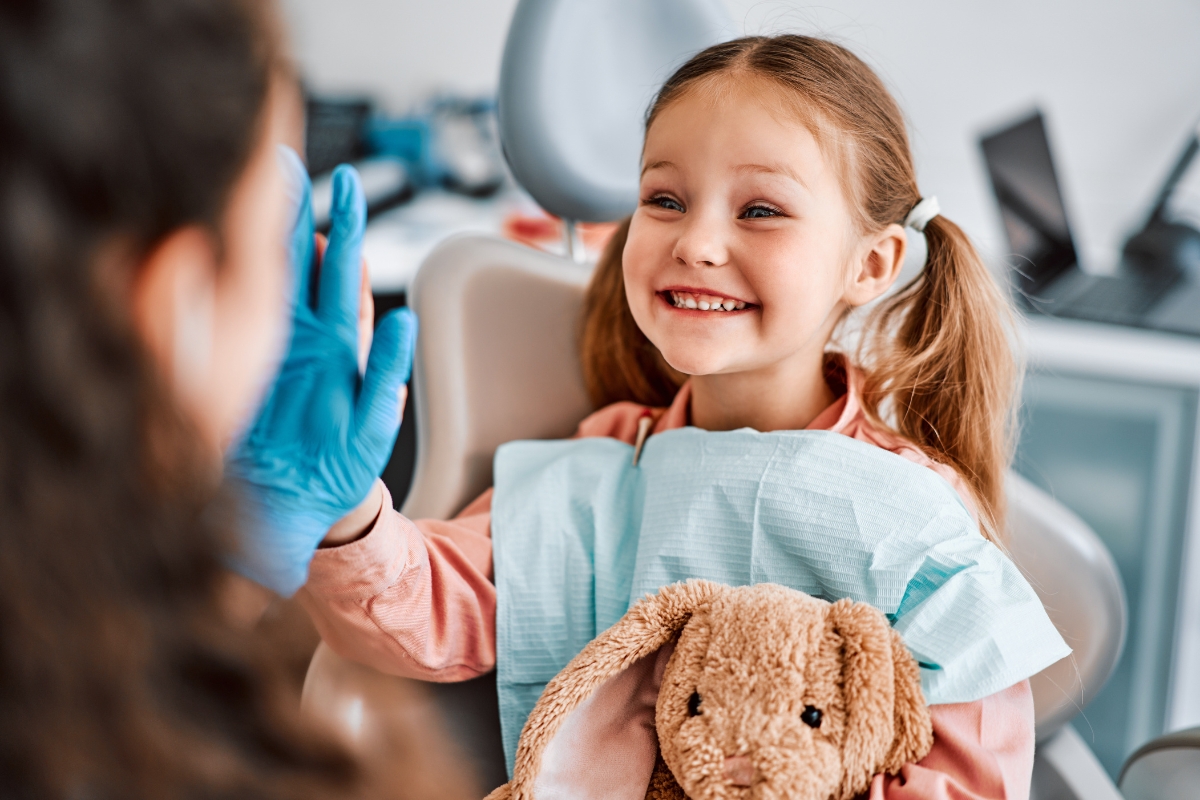
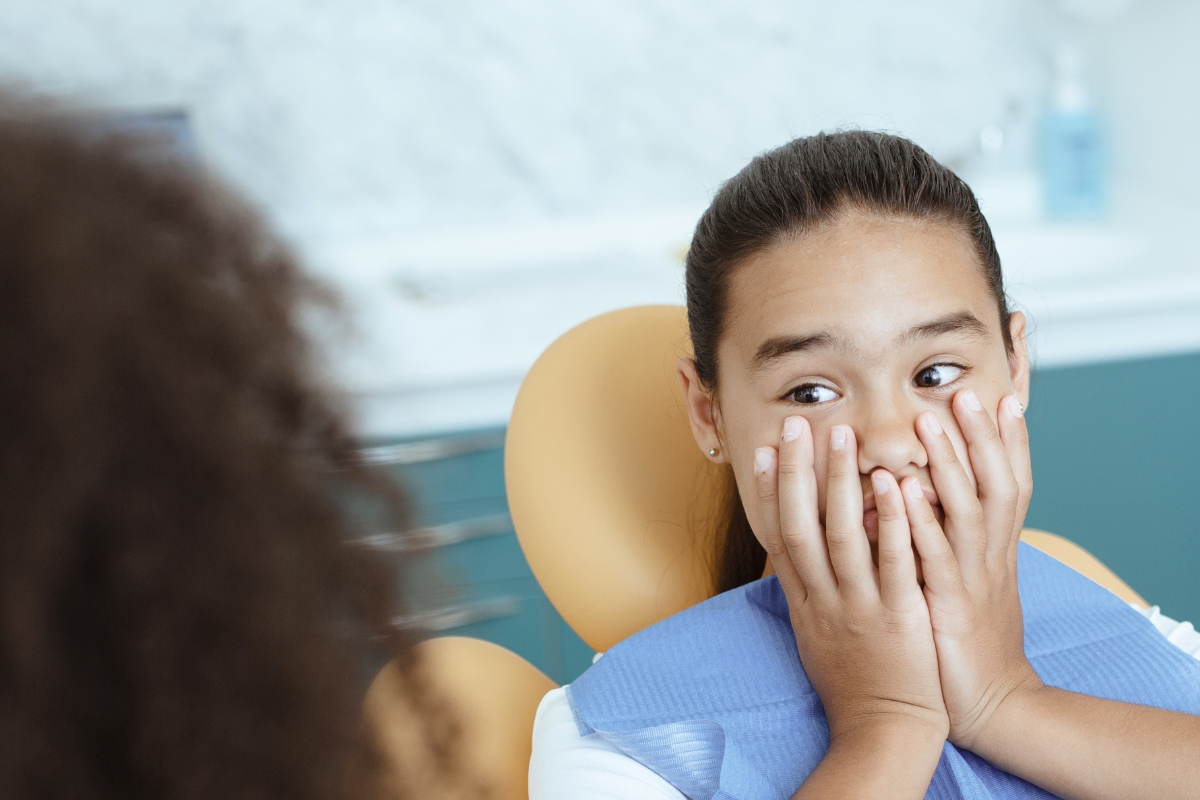
As parents, we naturally want to protect our children from discomfort, worry, and fear. Yet, when it comes time for a routine dental checkup or a filling, even the bravest little ones can suddenly experience a surge of anxiety. It is completely normal for children to feel hesitant or intimidated by unfamiliar sounds, bright overhead lights, or new faces in a medical setting. However, dental anxiety should never stand in the way of your child developing a healthy, lifelong relationship with their oral health.
When dental fear is addressed with empathy, patience, and tailored pediatric strategies, an office visit transforms from a stressful ordeal into a positive, empowering adventure. As pediatric dental professionals, our primary goal goes beyond simply caring for growing teeth—we are dedicated to building trust, fostering confidence, and ensuring that every child leaves our practice with a proud, beaming smile. Welcome to Kidtastic Pediatric Dental and Orthodontics – Gilbert, where our team—including Dr. Charlie Brown, Dr. Stephen Montoya, Dr. Arman Parsa, and Dr. Bradley L. Farr—is dedicated to creating a warm, fear-free environment where children feel completely safe and understood.
Located right here on Queen Creek Road, our practice is designed specifically for children, combining advanced pediatric techniques with a compassionate approach. Below, we are sharing our proven, practitioner-tested tips and strategies to help your anxious child conquer their fears and actually look forward to visiting the dentist.
Understanding Childhood Dental Anxiety: Why Kids Get Fearful
To effectively alleviate dental anxiety, it helps to understand what triggers it in the first place. Children perceive the world differently than adults, and a dental office presents a unique sensory environment.
Common sources of anxiety in young patients include:
- Fear of the Unknown: If a child does not know what to expect, their imagination often fills in the blanks with scary scenarios.
- Sensory Overload: The high-pitched hum of dental tools, the taste of specialized cleaning pastes, or bright examination lights can feel overwhelming to a young, sensitive system.
- Loss of Control: Reclining in a large chair while an adult examines their mouth can make a child feel defenseless.
- Transferred Anxiety: Children are remarkably perceptive. If a parent feels nervous about dental appointments due to past experiences, a child often absorbs that subtle tension.
Recognizing these triggers allows us to tailor our care to meet your child’s emotional needs before they even step into the treatment room.
Practical Dental Fear Tips from Our Pediatric Dentist
Transforming dental anxiety into excitement does not happen overnight, but small, intentional steps can completely reshape your child’s perspective. By working closely with our experienced team, you can help your child feel calm, confident, and eager for every checkup.
Start Early and Establish a “Dental Home”
The most effective way to prevent dental fear before it begins is to establish a “dental home” early in life. Both the American Academy of Pediatric Dentistry and our clinical team recommend scheduling a child’s first visit by their first birthday or when their first tooth emerges.
When children visit us early, appointments consist of gentle examinations, cheerful introductions, and simple oral hygiene guidance. These low-stress visits normalize the dental environment. If your child only sees a dentist when they are already experiencing a toothache or requiring a procedure, they may link the dentist with discomfort. Early, routine visits ensure that their baseline experience is lighthearted, fun, and easy.
Use Positive, Age-Appropriate Language at Home
How you talk about the dentist at home significantly shapes your child’s mindset. Avoid using words that carry negative connotations, such as “pain,” “hurt,” “shot,” “drill,” or “needle”—even if you are using them in a reassuring sentence like “It won’t hurt!” The young mind tends to focus on the scary word rather than the negation.
Instead, adopt child-friendly, playful terminology:
- The Dental Chair: A “magic rocket-ship chair” that moves up and down.
- The Dental Light: A “sunshine lamp” that helps us count teeth.
- Dental Tools: A “special tooth-counting wand” or a “water squirt gun.”
- Tooth Cleaning: “Giving your teeth a shiny polish.”
By keeping language neutral and curious, you frame the visit as a fun exploration rather than a medical procedure.
Practice “Tell-Show-Do” and Role-Playing
Role-playing at home is one of the most effective tools for easing anxiety. Days before the appointment, sit down with your child and play “dentist.” Take turns counting each other’s teeth with a soft toothbrush or small mirror. Show them how to open wide like a lion and shine a small flashlight on their smile.
In our office, we expand on this concept through a proven pediatric technique called Tell-Show-Do:
- Tell: We explain what we are going to do using simple, non-threatening words.
- Show: We demonstrate the step on a model, a stuffed animal, or on the child’s fingernail so they can see and feel how gentle it is.
- Do: Only after the child understands and agrees do we perform the step in their mouth.
This predictable sequence removes the element of surprise and gives children a sense of control over their experience.
Partner with a Specialized Pediatric Dentist in Gilbert
Choosing a dedicated pediatric dentist in Gilbert makes a profound difference in your child’s care. Unlike general dental clinics designed primarily for adults, a pediatric specialty practice is tailored entirely to the physical and emotional needs of growing children.
Our pediatric office features bright, cheerful décor, child-sized equipment, and an atmosphere built around fun. Furthermore, pediatric dentists undergo two to three additional years of specialized residency training after dental school. This advanced training focuses heavily on child psychology, behavioral management, growth and development, and special needs care. Our gentle team understands how to de-escalate anxiety, soothe tears, and celebrate tiny victories with patience and positive reinforcement.
Comfort Measures and Distraction Techniques
Distraction is a powerful way to redirect a nervous mind. During appointments, keeping a child’s senses pleasantly occupied helps prevent anxiety from building up.
Here are a few comforting strategies we encourage:
- Favorite Comfort Items: Bring along a favorite stuffed animal, a soft blanket, or a prized toy that your child can hold during their checkup.
- Music and Visuals: Put on headphones with their favorite playlist, audiobook, or kid-friendly show to keep their eyes and ears occupied.
- Rhythmic Breathing: Practice “bubble breathing” or “smelling the flowers and blowing out the candles” to help regulate their nervous system if they feel tense.
Our staff works hand-in-hand with parents to discover what unique comfort items or distractions work best for each individual child.
Advanced Solutions: Gentle Sedation Dentistry Options
For children experiencing severe anxiety, sensory processing sensitivities, or those requiring extensive restorative work, behavioral guidance alone may not always be sufficient. In these cases, we offer safe, effective, and modern sedation dentistry options to ensure a completely stress-free visit.
As your trusted pediatric dentist in Gilbert, we carefully evaluate your child’s medical history and emotional readiness before recommending a sedation method:
- Minimal Sedation (Nitrous Oxide / Laughing Gas): A gentle, sweet-smelling gas inhaled through a small nose mask. It produces a light, happy feeling while allowing your child to stay fully awake, relaxed, and communicative. It wears off within minutes after the mask is removed.
- Moderate & Deep Sedation: Designed for children who need a deeper level of relaxation to remain comfortable during longer or more complex treatments, reducing awareness of time, sounds, and sensations.
- General Anesthesia: Used when a child requires extensive dental restoration or cannot remain comfortable during conscious care. Administered with the utmost safety, it allows your child to sleep soundly through their entire procedure.
Sedation dentistry ensures that necessary dental care is completed safely without causing emotional trauma, preserving your child’s positive view of dental care.
Offer Praise over Distant Rewards
Praise is a powerful motivator for young children. Following a successful visit, even if your child cried initially or took extra time to settle into the chair, highlight their bravery and cooperation. Point out specific positive behaviors: “I was so proud of how open you held your mouth while we counted your teeth today!”
While small rewards like stickers or a trip to a local Gilbert park after the appointment can be great motivators, avoid offering overly lavish bribes before the visit. Large promises can inadvertently signal to a child that something scary or painful is about to happen. Keep the tone relaxed, light, and focused on celebrating their natural courage.
Stress-Free Pediatric Dental Care for Anxious Kids
Overcoming dental fear is a journey that requires time, empathy, and the right dental team. By preparing at home, maintaining a positive attitude, and partnering with an experienced pediatric dentist in Gilbert, you can help your child build a lifetime of healthy, fearless smiles.
At Kidtastic Pediatric Dental and Orthodontics – Gilbert, we consider it a privilege to serve local families throughout Gilbert, Mesa, Chandler, and the surrounding communities. Whether your child is due for their very first checkup or needs extra support overcoming dental anxiety, our compassionate doctors and staff are here to help every step of the way.
Schedule your child’s appointment online today or contact our friendly Gilbert team to learn more about our gentle approach to pediatric care!
Frequently Asked Questions
What makes a specialized pediatric dentist different from a general family dentist?
A specialized pediatric dentist completes two to three additional years of post-doctoral training focused exclusively on child psychology, pediatric growth, behavior management, and specialized dental care for children, infants, and teens with special needs.
At what age should my child have their very first dental appointment?
The American Academy of Pediatric Dentistry recommends scheduling your child’s first dental visit when their first tooth erupts, or no later than their first birthday, establishing a comfortable dental home early on.
Is nitrous oxide (laughing gas) completely safe for anxious young children?
Yes, nitrous oxide is a very safe, mild sedative widely used in pediatric dentistry. It helps children relax while remaining fully awake, and its effects reverse completely within minutes of breathing pure oxygen.
How can I help prepare my toddler for a dental visit at home?
Prepare your toddler by reading fun books about dental visits, role-playing as a dentist at home with stuffed animals, using positive language, and avoiding scary words like “hurt,” “needle,” or “pain” before their appointment.
What should I do if my child cries or panics during the dental checkup?
Stay calm and supportive, as children pick up on parental stress. Our experienced pediatric dental team is fully trained to handle tears gently using proven behavioral guidance, distraction techniques, and comforting reassurance.
When is sedation dentistry recommended for a pediatric patient?
Sedation dentistry is recommended for children with severe dental phobia, special healthcare needs, strong gag reflexes, or those requiring extensive restorative dental treatments that would be difficult to tolerate while awake.
Can parents stay in the room with their child during dental procedures?
Yes, we encourage parents to stay with their child during visits. Your supportive presence provides comfort, helps build trust, and ensures you remain fully involved in your child’s oral health journey.