Blog

A pediatric dentist trained in child anxiety can turn stressful visits into calm ones. Learn what to look for and how our four Arizona offices help nervous kids feel safe.
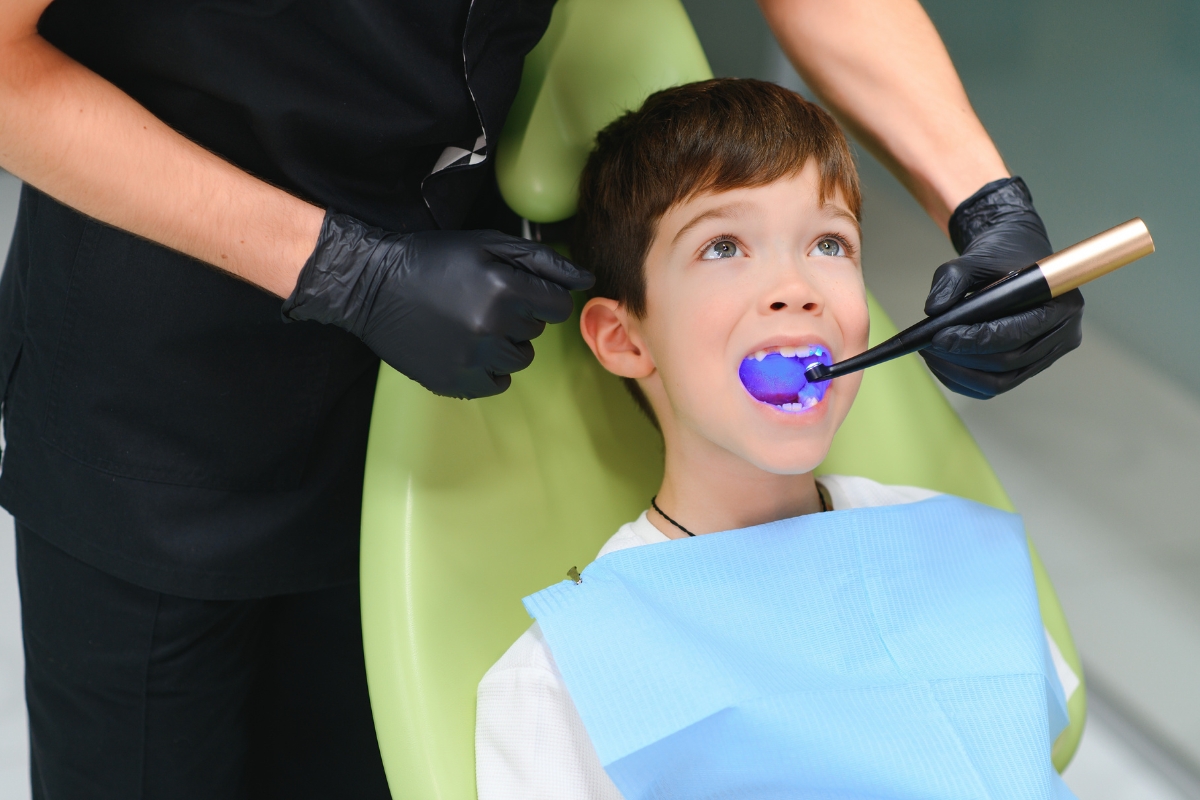
Finding a pediatric dentist who genuinely understands childhood anxiety can change the entire trajectory of a child’s relationship with dental care. Many parents in Gilbert, Mesa, Chandler, and San Tan Valley have sat in a waiting room with a child in tears, dreading the next hour. The good news is that a well-trained pediatric dentist does far more than fix teeth. They build trust, one small step at a time, and that trust is what keeps kids showing up for checkups without a fight for years to come.
Why Dental Anxiety in Kids Is So Common
Dental anxiety is not a character flaw or a sign that a child is being difficult. It is a normal reaction to an unfamiliar environment, strange sounds, and a loss of control over what happens to their own body. Younger children may not have the vocabulary to explain what scares them, while older kids might have had a single uncomfortable experience that colored every visit since. Sensory sensitivities, previous medical trauma, or simply an active imagination can all play a role.
A pediatric dentist trained specifically in child development understands these triggers before a child even sits in the chair. This is different from a general dentist who treats patients of all ages and may not have the same specialized training in behavioral guidance for young patients.
Specialized Training Makes the Difference
General dentists complete dental school and can treat patients of every age, but a pediatric dentist completes an additional two to three years of residency focused entirely on children, from infancy through the teenage years. That residency covers child psychology, growth and development, behavior guidance techniques, and how to manage everything from a first tooth to a jaw that is still growing.
This extra training shows up in small but meaningful ways. It might be the choice of words used to describe a tool, the pacing of an exam, or the decision to let a child hold a mirror and watch what is happening in their own mouth. These are not accidents. They are deliberate techniques built specifically for young, anxious patients.
Communication Built for Young Patients
One of the most noticeable differences between a general dentist and a pediatric dentist is how information gets communicated. Instead of clinical terms that can sound frightening, a skilled pediatric team explains procedures using simple, friendly language a child can actually picture. A dental explorer becomes a tooth counter. A suction tool becomes a thirsty straw. This technique, often called tell, show, do, walks a child through what will happen before it happens, which removes much of the fear of the unknown.
Parents also benefit from this approach. Clear communication about what to expect, how long a visit will take, and what signs to watch for afterward helps everyone feel more prepared and less anxious themselves.
A Calm, Kid-Focused Environment
The physical space matters just as much as the clinical skill. Waiting rooms designed with kids in mind, shorter wait times, and exam rooms that feel less clinical all reduce the sensory overload that can trigger a meltdown before treatment even starts. Staff trained to recognize early signs of distress can slow down, offer breaks, or adjust their approach on the spot rather than pushing through a rigid schedule.
Consistency also builds confidence. When a child sees a familiar face and a familiar room visit after visit, the unknown becomes known, and anxiety naturally decreases over time.
Behavior Guidance Techniques That Actually Work
Several proven strategies help nervous kids get through an appointment without unnecessary stress.
- Tell, show, do, where each step is explained and demonstrated before it happens
- Positive reinforcement that rewards calm behavior instead of punishing fear
- Distraction techniques such as music, videos, or conversation during treatment
- Short, paced appointments that avoid overwhelming a child in one long sitting
- Sedation options for children who need extra support for more involved procedures
These techniques are not one size fits all. A skilled pediatric dentist adjusts the approach based on each child’s age, temperament, and past experiences.
What Parents Can Do Before the Appointment
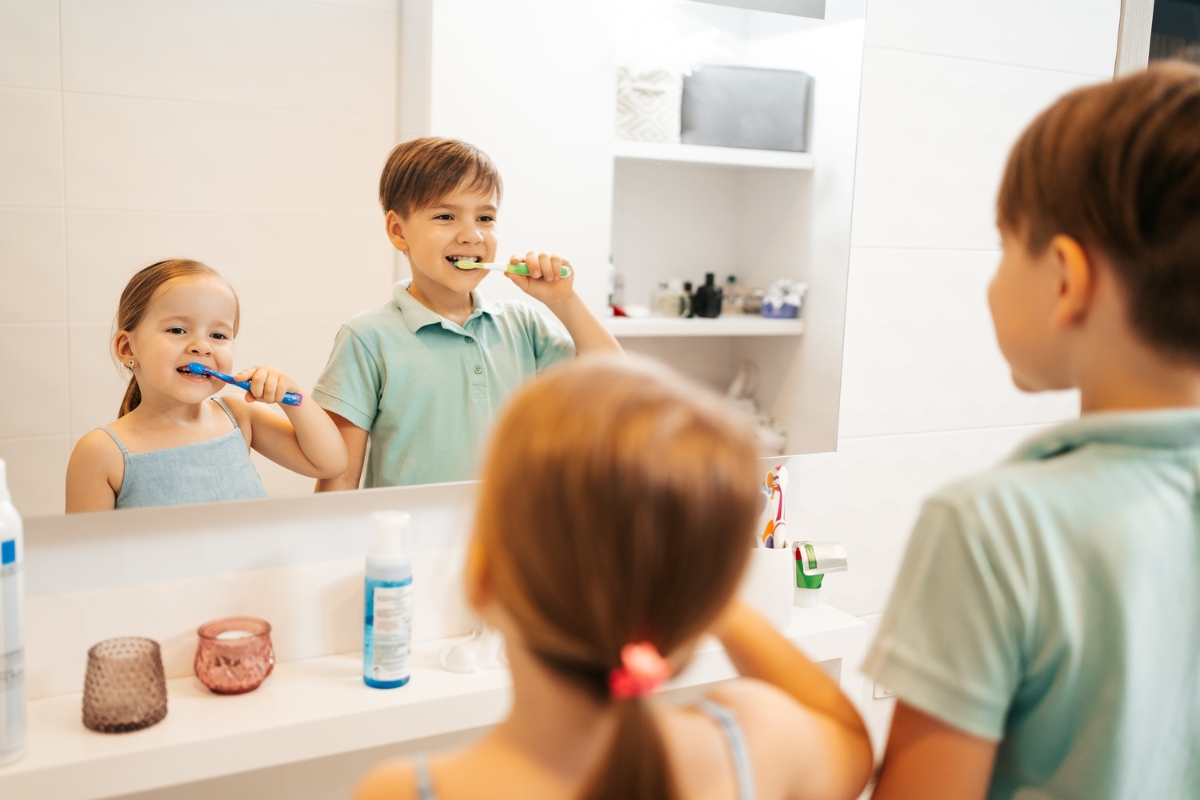
Preparation at home makes a real difference. Talking about the visit in a calm, matter-of-fact tone, avoiding words like hurt or shot, and reading a children’s book about going to the dentist can all help set expectations. Practicing at home, such as counting teeth with a soft toothbrush, gives a child a sense of familiarity before the real appointment.
Bringing a comfort item, arriving a few minutes early to avoid rushing, and letting the dental team lead the conversation with your child instead of speaking for them are also simple ways parents can support a smoother visit.
Why This Matters Long Term
A single bad dental experience in early childhood can shape avoidance behavior well into the teenage years. On the other hand, a positive experience built on trust tends to stick. Kids who feel safe and respected at the dentist are far more likely to keep up with routine visits as they grow, which means fewer emergencies, fewer cavities, and less anxiety overall. Choosing the right pediatric dentist early is one of the most protective decisions a parent can make for their child’s long-term oral health.
Frequently Asked Questions
At what age should my child see a pediatric dentist instead of a family dentist?
Most dental organizations recommend a pediatric dentist starting around the first birthday or when the first tooth appears, and continuing through the teenage years, since training and equipment are specifically suited to growing mouths.
What if my child has already had a bad dental experience elsewhere?
A pediatric dentist can often rebuild trust gradually through shorter introductory visits, allowing a child to become comfortable with the office and team before any treatment is attempted.
Is sedation always necessary for anxious kids?
No. Most anxious children can be treated successfully using behavior guidance techniques alone. Sedation is typically reserved for more extensive procedures or children with significant medical or behavioral needs.
How long does it usually take for a nervous child to feel comfortable?
It varies by child, but many families notice a real shift after two to three visits once a routine and familiar faces are established.
Visit a Location Near You
Every child deserves a dental experience that feels safe rather than stressful, and finding the right pediatric dentist is the first step. We serve four convenient locations across Arizona, including Gilbert, Mesa, San Tan Valley, and Chandler, so families can choose the office that fits best into their routine.
- Gilbert, AZ: 3303 E Queen Creek Rd Ste 106, Gilbert, AZ 85297
- Chandler, AZ: 4940 W Ray Rd Ste 8, Chandler, AZ 85226
- Mesa, AZ: 1240 W Southern Ave Ste 112, Mesa, AZ 85202
- San Tan Valley, AZ: 2510 E Hunt Hwy #29, Queen Creek, AZ 85143
If your child feels nervous about dental visits, schedule an appointment at your nearest location today and let our team show your family what a calm, kid-friendly experience really looks like.