Blog
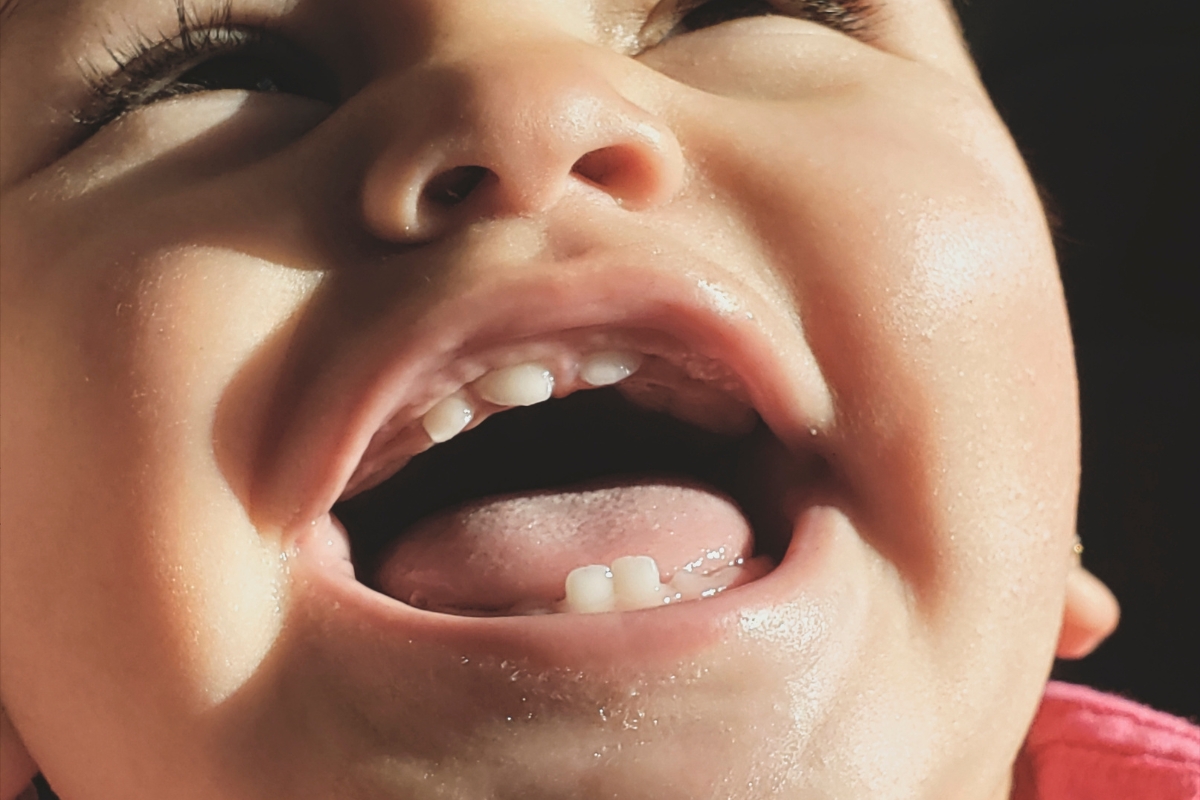
Imagine helping your child brush their teeth and suddenly noticing something unusual. A new tooth is growing behind a baby tooth that hasn’t fallen out yet. Now your child appears to have two rows of teeth!
This condition is commonly called “shark teeth.” Although the name sounds alarming, it’s a fairly common occurrence during childhood.
Many parents wonder whether these extra-looking teeth will straighten themselves out or require dental treatment. The answer depends on your child’s age, tooth development, and whether the baby tooth is becoming loose.
Understanding what’s normal and recognizing warning signs can help you make informed decisions about your child’s dental health.
What Are Shark Teeth in Children?
Shark teeth occur when a permanent tooth begins growing behind a baby tooth that is still in place. This creates the appearance of two rows of teeth, similar to a shark’s multiple rows of teeth.
The condition most commonly affects the lower front teeth, although it can also occur in the upper jaw. Children typically begin losing their baby teeth around age six. During this transition, permanent teeth gradually replace the primary teeth.
Normally, developing permanent teeth help dissolve the roots of baby teeth. This allows the baby teeth to loosen and eventually fall out.
However, sometimes a permanent tooth erupts slightly behind its expected position. The baby tooth may remain firmly attached because its root hasn’t dissolved completely.
The result is two visible teeth occupying nearly the same area. Fortunately, shark teeth are often a temporary stage of dental development rather than a serious problem.
Why Do Permanent Teeth Grow Behind Baby Teeth?
Several factors can contribute to shark teeth. Understanding these causes helps parents recognize why their child’s teeth may be developing differently.
Baby Tooth Roots Haven’t Dissolved Completely
Before a baby tooth falls out, its root gradually breaks down. Sometimes this process takes longer than expected. Meanwhile, the permanent tooth continues growing and appears behind the baby tooth.
Permanent Teeth Erupt at an Unusual Angle
Permanent teeth don’t always emerge directly underneath their baby counterparts. If a permanent tooth develops slightly toward the tongue, it may appear behind the baby tooth rather than pushing it out.
Limited Space in the Jaw
Children’s jaws continue growing as their permanent teeth develop. If there isn’t enough space for an incoming tooth, it may emerge outside its expected position. Crowding can also affect how permanent teeth align as more adult teeth appear.
Natural Differences in Dental Development
Every child’s teeth develop at a different pace. Some children lose baby teeth earlier, while others retain them longer. Minor differences in eruption timing don’t automatically indicate a dental problem.
When Should Parents Be Concerned About Shark Teeth?
Most cases don’t require immediate treatment. However, certain symptoms suggest that a pediatric dental evaluation is necessary.
The Baby Tooth Remains Firmly Attached
If a permanent tooth has emerged but the baby tooth isn’t becoming loose, contact your child’s dentist. A baby tooth that remains firmly attached may interfere with the permanent tooth’s position. Our dentist can determine whether monitoring or removal is appropriate.
Your Child Experiences Persistent Pain
Mild gum tenderness can occur when permanent teeth erupt. However, ongoing discomfort, significant pain, or difficulty chewing shouldn’t be ignored. These symptoms may indicate inflammation, crowding, or another dental condition.
The Gums Become Swollen or Infected
Pay attention to changes around the emerging tooth.
Warning signs include:
- Persistent redness or swelling
- Bleeding unrelated to brushing
- Pus around the gums
- Increasing tenderness
- An unpleasant taste or persistent bad breath
Contact a dentist promptly if these symptoms appear. Fever, facial swelling, or rapidly worsening pain requires urgent evaluation.
Permanent Teeth Appear Severely Crowded
Sometimes shark teeth develop alongside noticeable crowding. You may notice permanent teeth overlapping, rotating, or growing at unusual angles. Crowding doesn’t always require immediate orthodontic treatment, but an early evaluation can identify developing alignment problems.
The Baby Tooth Doesn’t Fall Out After Several Weeks
A baby tooth may loosen naturally after the permanent tooth appears. However, if several weeks pass without noticeable movement, schedule a dental examination.
There isn’t one fixed waiting period for every child. Your dentist will consider the tooth’s position, available space, and your child’s development before recommending treatment.
Will Shark Teeth Correct Themselves?
In many cases, yes. When the baby tooth eventually falls out, the tongue’s natural pressure may help guide the permanent tooth forward.
This process can occur gradually as your child’s jaw grows and the surrounding teeth adjust. However, spontaneous correction isn’t guaranteed.
If there isn’t enough room in the jaw, the permanent tooth may remain crowded or misaligned. A pediatric dentist can monitor eruption patterns and determine whether additional care is necessary.
Should Parents Try to Remove Shark Teeth at Home?
Parents should never forcefully pull a baby tooth that remains firmly attached. Premature removal can cause unnecessary pain, bleeding, or injury to surrounding tissues.
If the baby tooth is already very loose, your child may gently wiggle it using a clean finger or tongue. However, avoid using string, tools, or excessive force. If the tooth doesn’t move comfortably, leave it alone and contact your dentist.
How Do Pediatric Dentists Treat Shark Teeth?
Treatment depends on whether the baby tooth is loose, the permanent tooth’s position, and the available space.
Monitoring Tooth Development
When the baby tooth is loosening and the permanent tooth has enough space, the dentist may recommend observation. Follow-up examinations help track whether the teeth are moving into appropriate positions.
Removing a Retained Baby Tooth
If a baby tooth remains firmly attached and interferes with permanent tooth eruption, extraction may be recommended. The dentist will assess whether removing the baby tooth is necessary. Not every case requires extraction.
Evaluating Tooth Alignment
When shark teeth occur alongside crowding or bite problems, an orthodontic evaluation may be helpful. Dental X-rays may be recommended when clinically necessary to examine tooth positioning and development.
At Kidtastic Pediatric Dental and Orthodontics – Mesa, children can receive pediatric dental assessments and orthodontic evaluations based on their individual needs.
Can Shark Teeth Cause Long-Term Dental Problems?
Most children with shark teeth develop healthy permanent smiles without major complications.
However, persistent crowding or unusual eruption patterns may contribute to:
- Difficulty cleaning overlapping teeth
- Increased plaque accumulation
- Tooth alignment concerns
- Bite irregularities
- Gum irritation around crowded teeth
These problems aren’t inevitable. Regular dental examinations help identify changes before they become more difficult to manage.
The American Association of Orthodontists recommends an initial orthodontic evaluation by age seven, even when a child doesn’t appear to need braces.
What Can Parents Do While Waiting for Shark Teeth to Resolve?
Parents can support their child’s oral health with a few practical steps. Maintain daily brushing: Help your child brush twice daily using fluoride toothpaste. Pay attention to areas where teeth overlap.
- Encourage gentle flossing: Clean between teeth that touch, especially around crowded areas.
- Avoid forcing loose teeth: Allow natural movement unless your dentist recommends treatment.
- Monitor changes: Notice whether the baby tooth becomes looser or the permanent tooth changes position.
- Continue dental checkups: Regular visits allow the dentist to monitor tooth eruption and identify potential concerns.
These habits can help protect developing permanent teeth while reducing plaque buildup.
Frequently Asked Questions
Are Shark Teeth Normal in a 6-Year-Old?
Yes. Shark teeth commonly appear around ages six or seven when children begin developing permanent front teeth. Many cases resolve naturally after the baby tooth falls out. However, a dental examination is recommended if the baby tooth remains firmly attached, your child experiences pain, or the permanent tooth appears severely crowded.
How Long Does It Take for Shark Teeth to Go Away?
The timeline varies. Some baby teeth fall out within several weeks, while others take longer. Once the baby tooth falls out, the permanent tooth may gradually move forward. If the baby tooth remains firm or the permanent tooth appears crowded, contact your dentist rather than waiting indefinitely.
Do Shark Teeth Always Need to Be Removed?
No. Most shark teeth don’t require extraction. If the baby tooth is loose and the permanent tooth has enough space, observation may be sufficient. Extraction is considered when a retained baby tooth interferes with eruption or causes other concerns.
When Should I Visit a Pediatric Dentist in Mesa, AZ, for Shark Teeth?
Schedule an appointment if your child experiences persistent discomfort, gum swelling, severe crowding, or a permanent tooth emerging behind a baby tooth that remains firm. A pediatric dentist in Mesa, AZ, can examine the teeth and recommend whether monitoring or treatment is appropriate.
Can Kidtastic Pediatric Dental and Orthodontics – Mesa Help With Shark Teeth?
Yes. Kidtastic Pediatric Dental and Orthodontics – Mesa offers pediatric dental examinations and orthodontic services. The dental team can evaluate your child’s developing teeth, identify eruption concerns, and recommend appropriate next steps based on the examination.
Does My Child Need Braces for Shark Teeth in Mesa, AZ?
Not necessarily. Shark teeth alone don’t mean your child needs braces. If crowding or bite problems are present, Kidtastic Pediatric Dental and Orthodontics – Mesa can provide an orthodontic evaluation to determine whether treatment or continued monitoring is appropriate.
Where Can Parents Schedule a Shark Teeth Evaluation in Mesa, AZ?
Parents can contact Kidtastic Pediatric Dental and Orthodontics – Mesa at 480-457-1693. The practice is located at 1240 West Southern Avenue, Suite 112, Mesa, AZ 85202. Dental examinations can help determine whether a child’s shark teeth need treatment or observation.
Give Your Child’s Growing Smile the Attention It Deserves
Discovering two rows of teeth can surprise any parent, but shark teeth are often a normal part of childhood development. The important thing is knowing when to monitor the situation and when professional evaluation is needed.
At Kidtastic Pediatric Dental and Orthodontics in Mesa, our team helps families understand their children’s changing smiles through pediatric dental examinations and orthodontic care.
If you’ve noticed a permanent tooth growing behind your child’s baby tooth, schedule a dental evaluation today. Early assessment can help protect your child’s oral health and support healthy tooth development.