Blog

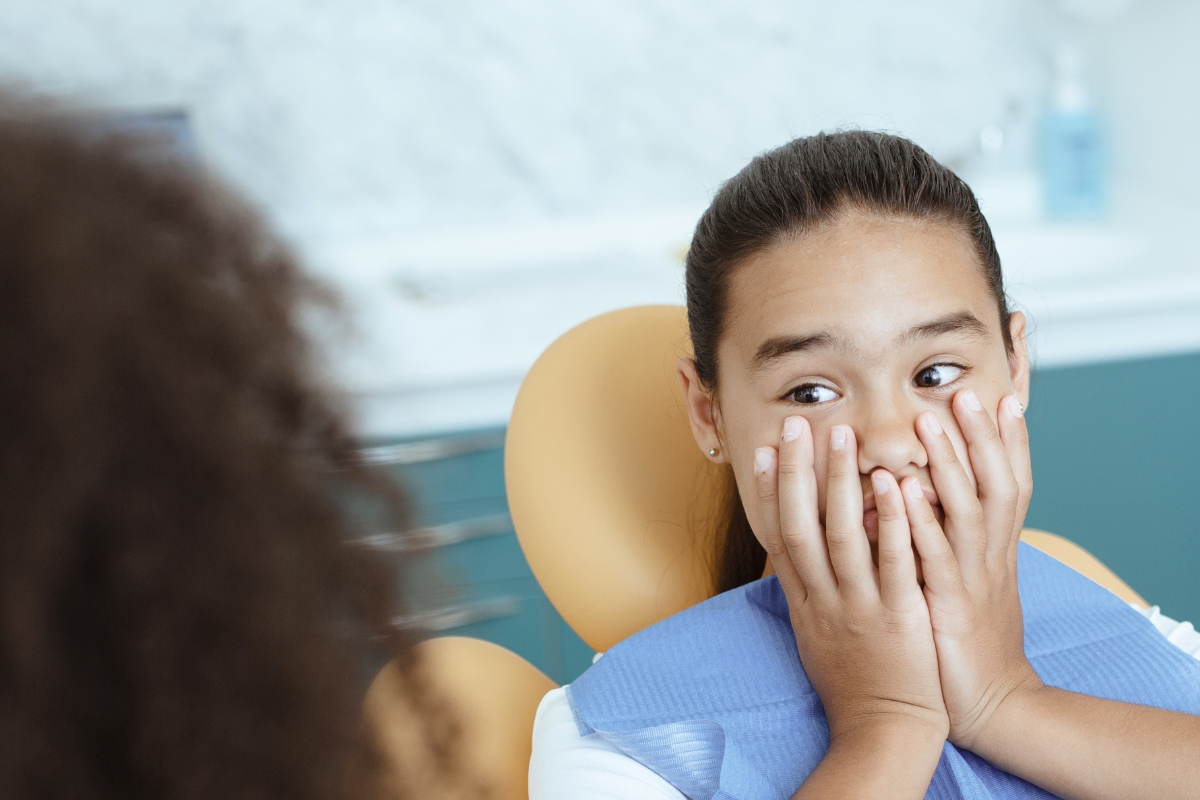
As a pediatric dental team, one of the most frequent conversations we have with parents across the East Valley starts before their child ever sits in the clinical chair. Parents often ask: “My child is terrified of going to the dentist—how are we going to get through an exam?”
It is completely normal for young children to feel uneasy about visiting a dental office. Between unfamiliar sights, humming equipment, and a specialist peering inside their mouth, the sensory environment can easily trigger anxiety. However, dental fear does not have to prevent your child from receiving essential preventive care. When addressed early with patience, behavioral guidance, and gentle communication techniques tailored specifically for young minds, children can learn to navigate checkups with confidence and ease.
At Kidtastic Pediatric Dental and Orthodontics – Chandler, located right off West Ray Road, our board-certified pediatric dentists, including Dr. Arman Parsa, Dr. Stephen Montoya, Dr. Charlie Brown, and Dr. Sonya Sharma, dedicate our practice to creating a warm, supportive, and playful environment where kids feel safe and parents feel completely at ease.
Understanding Pediatric Dental Anxiety: Why Kids Get Nervous
To effectively relieve a child’s dental apprehension, we first look at the situation from their perspective. Adults view dental appointments as a necessary wellness routine; children interpret new clinical environments through their sensory responses and natural fear of the unknown.
By identifying the exact trigger behind a child’s nervousness, our pediatric team tailors our approach to ease their specific worries rather than using a one-size-fits-all clinical routine.
The Child-Centered Atmosphere: Designed for East Valley Families
A positive dental experience begins before your child ever sees a dentist. Traditional clinical offices can feel sterile and intimidating. In contrast, specialized pediatric offices are intentionally designed around child psychology to reduce anxiety the moment a family steps through the door.
From vibrant interior designs and interactive waiting spaces to friendly, bilingual staff members who speak to children at their eye level, every aspect of our facility reduces stress. When children perceive their dental office as an inviting, friendly space rather than a medical clinic, their natural defense mechanisms soften.
Evidence-Based Behavioral Communication: “Tell-Show-Do”
One of the most effective tools we use as pediatric specialists to combat dental anxiety is the “Tell-Show-Do” communication protocol. Developed by the American Academy of Pediatric Dentistry (AAPD), this structured behavioral technique helps children build trust step-by-step:
- TELL: We explain every procedure in kid-friendly, non-threatening language. For instance, an air syringe becomes a “cool breeze machine,” the dental mirror is a “tooth camera,” and the prophylaxis polish is “tickling toothpaste.”
- SHOW: Before placing any tool in the child’s mouth, we demonstrate how it works playfully, such as letting the child feel the spinning polishing cup gently against their fingernail or spraying a tiny mist of air onto their hand.
- DO: Once the child understands the tool and realizes it will not hurt, we calmly proceed with the treatment step.
This technique removes the fear of the unknown, giving your child a sense of predictability and control throughout their visit.
Sensory Adaptation and Positive Distraction
Sensory triggers like bright overhead lights, mechanical hums, and lying flat in an electric chair frequently contribute to a child’s stress. To counteract sensory overload, pediatric dental practices implement multi-sensory distraction strategies:
- Visual Distraction: Overhead screen monitors featuring child-friendly movies allow patients to focus on entertainment during their cleaning.
- Sensory Controls: Soft protective sunglasses block overhead examination lights, while comfortable neck pillows support young heads during examinations.
- Positive Reinforcement: Constant verbal encouragement, high-fives, and token rewards at the end of the appointment help build self-esteem and leave a lasting positive impression.
Consistent Preventive Maintenance: The Role of Routine Care
Irregular visits are one of the primary drivers of severe dental anxiety. When children visit the dentist only when experiencing a painful cavity or toothache, they associate the dental office with discomfort and emergency procedures.
Establishing a steady schedule for routine dental care in Chandler ensures your child becomes accustomed to preventive appointments. Comprehensive, ongoing routine dental care in Chandler allows young patients to build familiarity with our team, the dental chair, and basic hygiene instruments during quick, painless visits. Over time, predictable preventive appointments transform the dental office from a strange environment into a comfortable routine.
Comfort Options for High-Anxiety and Special Needs Patients
For children with elevated dental fear, past medical trauma, or sensory processing differences, gentle behavioral guidance may need extra support. In these cases, pediatric dentists offer safe, tailored comfort options:
Nitrous Oxide (“Laughing Gas”)
Nitrous oxide is a mild, safe, and quickly reversible option breathed through a small nosepiece. It creates a feeling of calm and light relaxation while allowing the child to remain fully conscious, responsive, and comfortable throughout their appointment.
Conscious and In-Office Sedation
For complex procedures or severe phobias, specialized pediatric sedation options allow treatments to be completed safely in a single visit without causing emotional distress or trauma to the child.
How Parents Can Help Prepare Their Child at Home
A successful, anxiety-free dental visit starts at home. Here are practical ways parents in Chandler can help frame dental visits positively:
- Keep Explanations Simple and Upbeat: Avoid using words like “pain,” “hurt,” “shot,” or “drill.” Instead, say, “The dentist is going to count your teeth and polish your bright smile!”
- Read Dental-Themed Storybooks: Introduce pediatric dental visits through age-appropriate children’s books or educational cartoons featuring beloved characters visiting the dentist.
- Practice Role-Playing at Home: Play “dentist” with a flashlight and a toothbrush on a favorite stuffed animal or doll to make mouth examinations feel familiar.
- Maintain Your Own Calm Demeanor: Children are remarkably intuitive and absorb parental nervousness. Arriving relaxed and confident communicates to your child that they are safe.
Prioritizing Long-Term Oral Health and Positive Smiles
Overcoming dental anxiety is a gradual journey, but with the right pediatric team, every child can learn to feel comfortable in the dental chair. By combining specialized child-focused behavioral techniques, compassionate communication, and steady routine dental care in Chandler, we help turn apprehension into enthusiasm for healthy habits that last a lifetime.
When families commit to regular routine dental care in Chandler, preventive cleanings, early sealants, and gentle exams protect young smiles long before problems arise, ensuring every visit remains stress-free and positive.
Frequently Asked Questions
How do pediatric dentists handle a child who refuses to open their mouth?
Pediatric dentists use patience, non-verbal communication, and interactive tools like “Tell-Show-Do” to help anxious children feel safe and comfortable enough to cooperate at their own speed.
What is the difference between a pediatric dentist and a general family dentist?
Pediatric dentists complete two to three additional years of specialty residency training focused on child psychology, growth and development, behavior management, and specialized techniques for children and teens.
At what age should my child have their first pediatric dental visit in Chandler?
The American Academy of Pediatric Dentistry recommends scheduling your child’s initial dental exam when their first tooth appears or by their first birthday, establishing early preventive care habits.
Is nitrous oxide (laughing gas) safe for young children during dental procedures?
Yes, nitrous oxide is a highly safe, gentle, and effective option for reducing pediatric dental anxiety. It works quickly, wears off rapidly, and keeps children conscious and comfortable.
How can I prepare my anxious child for their upcoming dental appointment at home?
Prepare your child by reading positive books about dental visits, playing pretend dentist with toys, using upbeat language, and avoiding negative words like “shot,” “drill,” or “pain.”
What if my child cries or throws a tantrum during their dental checkup?
Pediatric dental teams are fully trained for crying and behavioral resistance. We stay calm, reassuring, and patient while guiding your child gently through their appointment without stress.
How often should my child receive routine dental cleanings and examinations?
Children should receive routine dental checkups every six months. Regular visits build trust with the dental team, prevent decay early, and help children overcome long-term dental fear.